

Goods transporters demand direct cut in diesel and petrol prices
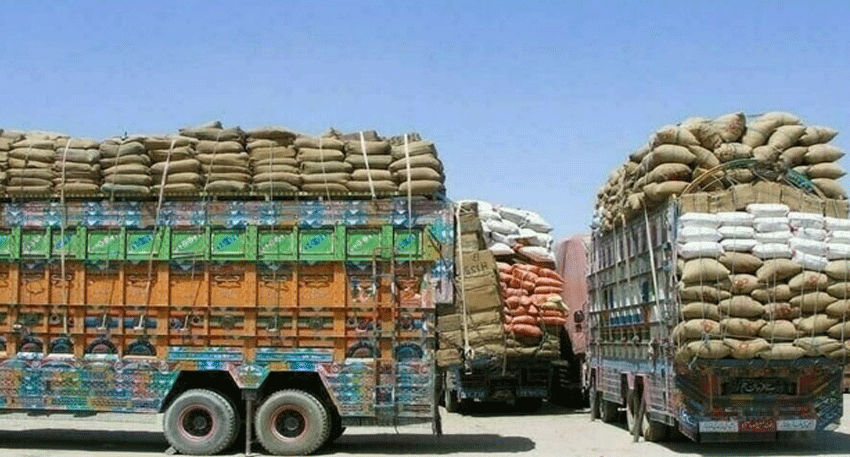
The All Pakistan Goods Transport Owners Association has raised concerns over the sharp increase in diesel prices, saying the transport sector is facing serious financial difficulties. The association warned that continued fuel price hikes could affect the movement and cost of essential goods across the country.
Association President Muhammad Owais Chaudhry said the rising cost of diesel had placed a heavy burden on transporters. He added that many vehicle owners were finding it increasingly difficult to operate without suffering losses.
According to the association, some goods transport vehicles have already been taken off the roads because of higher operating expenses. The group said the business has become difficult to sustain as fuel costs continue to rise.
Transporters call for direct fuel price relief
Muhammad Owais Chaudhry urged the government to reduce diesel and petrol prices directly rather than relying on complicated relief packages or subsidy schemes. He said transporters needed an immediate reduction in operating costs.
“Transporters do not need complicated schemes in the name of relief; fuel prices should be reduced directly,” he said.
The association believes a direct reduction would benefit transporters more quickly and make it easier for them to continue their operations. It also argued that complicated schemes could create additional difficulties for people who need relief.
Goods transporters play a major role in moving food, medicines, agricultural products and other essential items. Any increase in their operating costs can eventually affect businesses, traders and consumers.
The association’s demand comes as transporters face pressure from fuel prices, maintenance expenses and other costs linked to running commercial vehicles. Rising expenses can reduce profit margins and make it harder for smaller operators to remain on the road.
Rising diesel prices raise inflation concerns
The goods transporters’ association warned that expensive diesel was contributing to inflation. Since trucks and other commercial vehicles are used to move goods across long distances, higher fuel costs can increase transportation charges.
When transportation becomes more expensive, businesses may pass some of the additional costs on to consumers. This can raise the prices of essential commodities, particularly in areas that depend on supplies transported from other cities or provinces.
The association said that if diesel prices continue to rise, more transporters may be forced to remove their vehicles from service. Such a situation could affect the supply of goods and increase delivery costs across the country.
However, the overall impact would depend on the number of vehicles taken off the roads and how quickly alternative transport arrangements could be made. The warning highlights the connection between fuel prices, transport operations and the wider economy.
For transporters, the issue is not limited to fuel expenses alone. A sustained rise in diesel prices can also affect freight rates, vehicle maintenance decisions and the ability of businesses to meet customer demand.
Also Read:Punjab transport company offers 105 jobs with salaries up to 10 lac
OGRA announces fresh petrol and diesel increase
The latest concerns followed a fresh increase in fuel prices announced by the Oil and Gas Regulatory Authority (OGRA). The authority issued a notification on Monday night confirming the new rates.
According to the notification, the petrol price was increased by Rs4.42 per litre. The diesel price was raised by Rs6.10 per litre.
The increase has added to concerns among transporters and other fuel users. Diesel is particularly important for goods transport vehicles, making changes in its price a major concern for the sector.
The latest hike comes as the government works to manage the impact of rising global oil prices. International energy markets have faced pressure amid recent tensions in the Middle East, which have raised concerns about supply and shipping risks.
Higher global oil prices can increase the cost of importing petroleum products. Depending on government decisions and other market factors, these changes can influence domestic fuel prices.
Government announces special fuel relief scheme
The government has also announced a special relief scheme aimed at reducing the impact of higher oil prices on certain consumers. Prime Minister Shehbaz Sharif said eligible users would receive relief on petrol under the programme.
The scheme provides Rs100 per litre in relief for motorcycles, rickshaws, Qingqi rickshaws and vehicles with engine capacities of up to 800cc. The assistance is intended to support people who rely on smaller vehicles for daily travel and work.
Motorcycle, rickshaw and Qingqi users, along with other eligible two- and three-wheeler users, will receive relief on up to 20 litres of petrol per month. The announced limit means the maximum monthly relief for eligible users in this category could reach Rs2,000, if the full quantity is used.
The scheme is separate from the transporters’ demand for a direct reduction in fuel prices. The association has argued that broader fuel price cuts would provide more immediate relief to goods transport operators.


