

Goods transporters announce nationwide strike from Aug 8
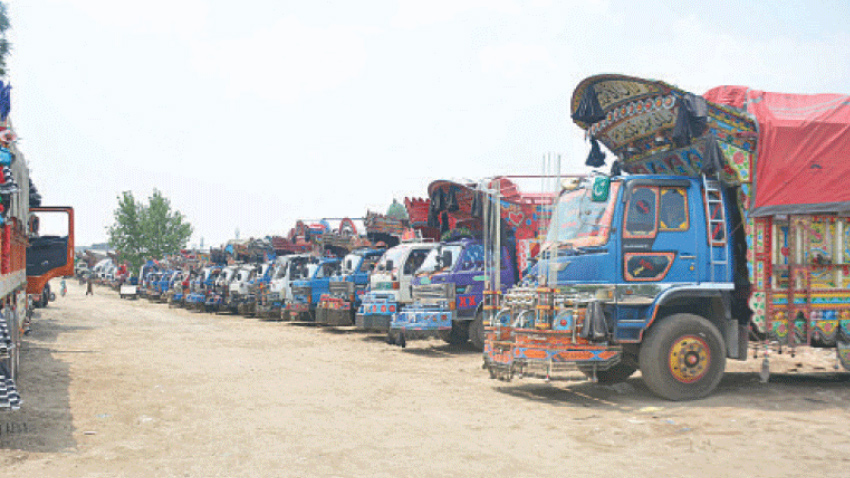
Alliance says strike will continue until demands are accepted
Alliance leader Malik Shehzad Awan said a detailed charter of demands had already been submitted to both the federal and provincial governments. He said transporters had decided to launch the nationwide strike because previous appeals had failed to produce satisfactory results.
According to Awan, the protest will continue until the government addresses the concerns of the transport sector. He also called for the resignation of Petroleum Minister Pervez Ali Malik over fuel pricing policies.
Transporters demand changes to fuel pricing
One of the alliance’s key demands is an end to the daily revision of petroleum prices. Transporters have urged the government to introduce a monthly fuel pricing mechanism instead of changing prices every day.
They also demanded the withdrawal of the recent increase in fuel prices, arguing that higher fuel costs have significantly increased transportation expenses. According to the alliance, stable fuel prices would help businesses manage their operating costs more effectively.
Toll taxes are also among the key concerns
The alliance has demanded the immediate withdrawal of the recent increase in motorway and highway toll taxes. Transport leaders said toll charges should be restored to the rates that were in effect on June 30, 2024.
They argued that rising toll costs have placed an additional financial burden on transport operators already affected by higher fuel prices. The alliance believes reducing toll charges would help lower transportation costs across the country.
Tax reforms are among transporters’ major demands
Transporters have also called for changes to the tax structure affecting the goods transport sector. The alliance demanded that the existing 7% withholding tax be reduced to 2%, similar to the rate applied to oil tankers.
Also Read: South Air offers 14% discount on all domestic flight tickets
According to transport leaders, the current tax rate places an unfair financial burden on transport businesses. They said tax reforms would help improve the sector’s financial sustainability.
Overloading rules and licensing reforms are proposed
The alliance also called for the strict enforcement of axle load regulations to prevent overloading. Transport leaders said proper implementation of these rules would improve road safety and reduce damage to highways.
They also demanded that Heavy Transport Vehicle (HTV) licences be issued only after proper testing to ensure that qualified drivers operate heavy vehicles. According to the alliance, stronger licensing standards would improve safety across the transport sector.
Other demands include parking and customs reforms
The alliance demanded the withdrawal of Customs SRO 1619/2024 and called for improved facilities for transporters. Leaders urged the government to establish dedicated parking areas for heavy transport vehicles near Karachi Port and Port Qasim.
They said the lack of proper parking creates operational difficulties and unnecessary delays for transport companies. The alliance also urged the authorities to improve infrastructure supporting freight movement.
Security concerns raised over attacks in Balochistan
Malik Shehzad Awan expressed concern over incidents in which transport vehicles were allegedly set on fire in Balochistan. He urged the government to take immediate steps to improve law and order and ensure the safety of transport operators.
According to the alliance, better security is essential for maintaining the uninterrupted movement of goods across the country. Transporters said they expect stronger protection for drivers and freight vehicles.
Alliance opposes the vehicle age rule and compensation law
The alliance also opposed the law banning commercial vehicles older than 20 years.
Also Read: UAE visit visa for Pakistanis becomes easier after major policy relief
Transport leaders further rejected the requirement to pay Rs9.7 million as compensation in the event of road accidents, calling for its immediate withdrawal.
They also alleged that transporters in Sindh face unlawful demands during vehicle registration in the name of third-party insurance. The alliance urged the government to address these concerns through consultations with transport representatives.
Government response awaited
So far, the government has not issued a detailed response to the alliance’s latest announcement. If the strike begins as planned, it could affect the transportation of goods across Pakistan and disrupt supply chains in several sectors.
Business groups and consumers will be closely watching whether negotiations between the government and transport representatives can prevent the planned shutdown. Officials are expected to hold further discussions with stakeholders in the coming days.


