

Fuel price shock continues as petroleum levy blocks relief
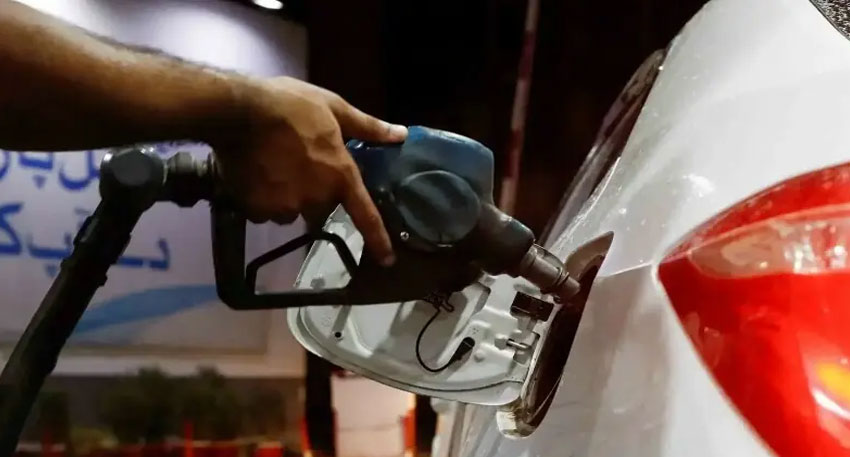
The expected relief from falling global crude oil prices has failed to reach consumers in Pakistan, as a rising petroleum levy continues to keep fuel prices at elevated levels despite international market stability.
According to available data, before the Iran–US conflict began in February 2026, crude oil was trading between 70 and 76 US dollars per barrel, while petrol prices in Pakistan stood at around 258 to 285 rupees per litre. However, despite global prices returning to similar levels after the ceasefire, petrol in Pakistan is currently priced at nearly 399 rupees per litre.
Officials have acknowledged that petroleum levy collections have exceeded targets, with over 1.4 trillion rupees planned for the fiscal year and additional revenue already generated. However, instead of reducing fuel prices, levies have remained high, limiting the impact of falling international oil rates on domestic consumers.
During the conflict period, fuel prices saw sharp fluctuations, including multiple increases and partial reductions. Authorities also adjusted petroleum levies several times, with petrol levy reaching as high as 160 rupees per litre before being revised downward under public pressure.
Government sources say that subsidy adjustments and payments to oil marketing companies were made to stabilise supply during volatile global conditions. Meanwhile, IMF-related fiscal requirements are also being cited as a key reason for maintaining higher petroleum levies to meet revenue targets.
Experts argue that while global crude oil prices have returned to pre-conflict levels, domestic pricing mechanisms and taxation structures are preventing consumers from receiving any meaningful relief. They warn that upcoming budget measures, including climate-related levies, could further limit price reductions.
As a result, fuel consumers continue to face high costs despite improved international market conditions.


