

Fire safety training becomes mandatory for PMDC house officers
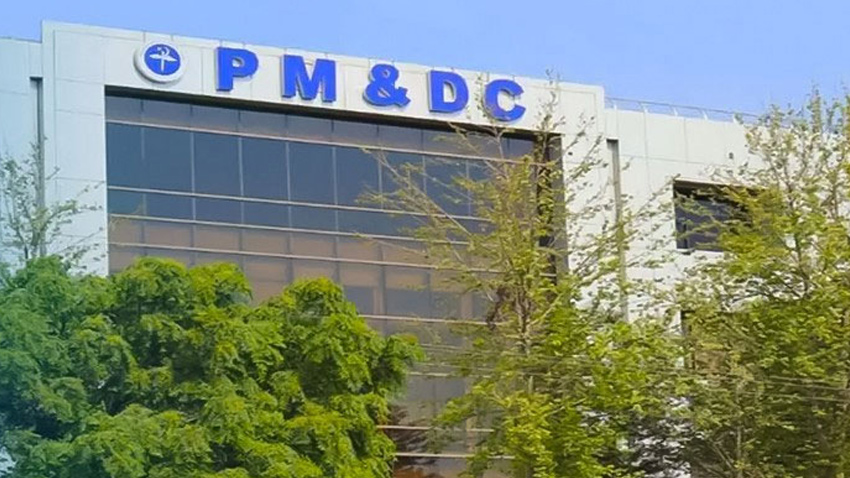
The Pakistan Medical and Dental Council (PMDC) has decided to make fire safety training mandatory for all house officers.
PMDC President Dr Rizwan says the council will oversee a structured fire safety programme for house officers during their house job.
The training will become a compulsory part of the house job period, according to the council. The move aims to improve fire safety awareness and help young doctors respond more effectively during emergencies.
House officers to receive practical training
Under the new programme, house officers will receive hands-on training in fire safety and emergency response. The training will include regular fire drills and exercises focused on the safe evacuation of patients.
House officers will also learn how to respond when a fire breaks out inside a hospital or medical college. The programme is expected to give doctors a better understanding of their responsibilities during a fire emergency.
Regular drills planned at hospitals
Dr Rizwan says fire safety and evacuation drills will be held regularly in medical colleges and teaching hospitals. These exercises will help house officers become familiar with emergency procedures before they face an actual fire.
Regular practice can also help medical institutions identify weaknesses in their emergency plans. The training will focus on quick action while keeping patients, doctors, students, and other hospital staff safe.
Doctors will learn about fire hazards
House officers will also be trained to identify potential fire hazards inside healthcare facilities. They will learn how to properly operate firefighting equipment and respond to fire-related emergencies.
Knowing where fire equipment is located and how to use it can help healthcare workers act quickly when every second matters. The training will also cover the safe evacuation of patients, who may require additional assistance during an emergency.
Decision follows deadly PIMS nursery fire
The decision comes after a deadly fire at the Pakistan Institute of Medical Sciences (PIMS) in Islamabad.
According to the information provided, the fire broke out in the hospital’s nursery on August 26, resulting in the deaths of 14 infants. Initial reports cited a short circuit as a possible cause, while other reports said an air-conditioner compressor exploded before the fire.
However, authorities said an investigation was underway and that the exact cause had not yet been established. The incident raised serious concerns about fire safety and emergency preparedness in healthcare facilities.
Infants and adults rescued from nursery
Rescue officials reported that a female doctor managed to save one infant during the fire.
One infant and several adults were also rescued from the nursery, according to officials cited in the report. Firefighters later extinguished the blaze and began the cooling process at the hospital.
Also Read: Man arrested in Karachi for acid attack on woman near Upper Gizri
The incident took place on the third floor of the Maternal and Child Health (MCH) ward, according to the district administration. The tragedy highlighted the difficulties involved in evacuating patients who may be unable to move without assistance.
Inquiry launched into PIMS fire
An inquiry committee headed by the Additional Deputy Commissioner of Islamabad was formed to determine the cause of the PIMS nursery fire.
Authorities said every aspect of the incident would be examined as part of the investigation. The exact cause of the blaze remained under investigation at the time of the reports.
Six fire tenders and four ambulances took part in the firefighting and rescue operation. The response involved efforts to extinguish the fire, rescue people from the affected area, and secure the hospital premises.
Why fire safety training matters
Hospitals require special fire safety measures because they care for patients who may not be able to evacuate quickly. Newborn babies, critically ill patients, and people receiving emergency treatment can require help from medical staff during an evacuation.
For this reason, healthcare workers need to know how to identify hazards and respond quickly when a fire breaks out. Regular drills can help staff understand evacuation routes and coordinate their actions during an emergency.
PMDC aims to strengthen preparedness
The PMDC says the new training programme is intended to improve emergency preparedness across medical institutions. Rather than relying only on firefighters or specialised emergency teams, the initiative will give house officers basic skills to respond during the early stages of an emergency.
The programme could also help create a stronger culture of safety in medical colleges and teaching hospitals. Better preparation can reduce confusion and help healthcare workers protect patients during dangerous situations.


