

Balochistan Assembly rejects Sardari system reform, what happens to 1976 law now?
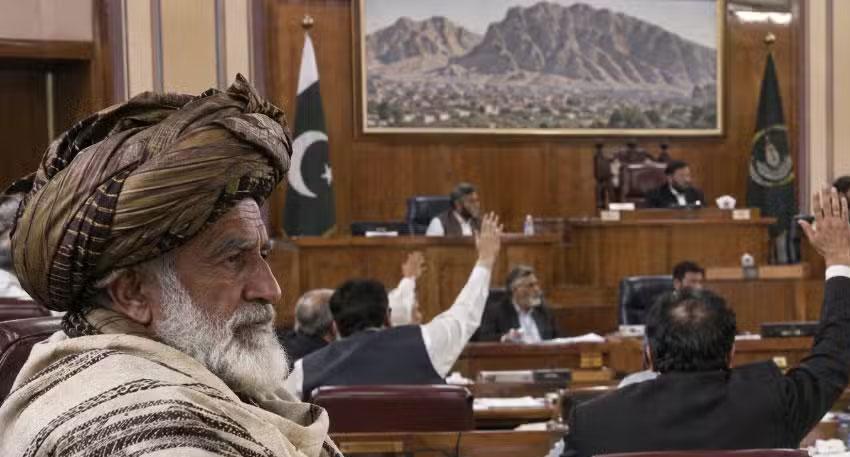
Balochistan Assembly rejects Sardari system reform by one vote
The Balochistan Assembly has rejected a resolution seeking effective enforcement of the 1976 law abolishing the Sardari system, after a close vote of six against and five in favour.
Resolution calls for ending tribal exploitation
The resolution was presented by Jamaat-e-Islami lawmaker Maulana Hidayat ur Rehman during Friday's provincial assembly session.
It called on the provincial government to ensure the proper implementation of the System of Sardari (Abolition) Act, 1976, arguing that the law had not fully ended the practice in some parts of Balochistan.
According to the resolution, unlawful exercise of authority, forced labour and exploitation continue under traditional tribal power structures.
It also highlighted how these practices create difficulties for ordinary citizens in accessing justice, education, healthcare and other basic facilities.
Demand for strict implementation of 1976 law
The resolution urged the government to establish a monitoring system to ensure that the existing law is properly enforced.
The System of Sardari (Abolition) Act was passed on May 19, 1976, and applies throughout Pakistan. It prohibits tribal chiefs from exercising unauthorised judicial powers, operating private jails, making unlawful arrests and forcing people to work without consent.
Under the law, violations can result in imprisonment of up to three years, a fine of up to Rs10,000, or both.
Resolution fails to secure majority
Despite calls for stronger action against exploitative tribal practices, the resolution failed to secure majority support and was rejected by the assembly.
Its rejection has brought renewed attention to the gap between the existing legal framework and its implementation in parts of Balochistan.


