

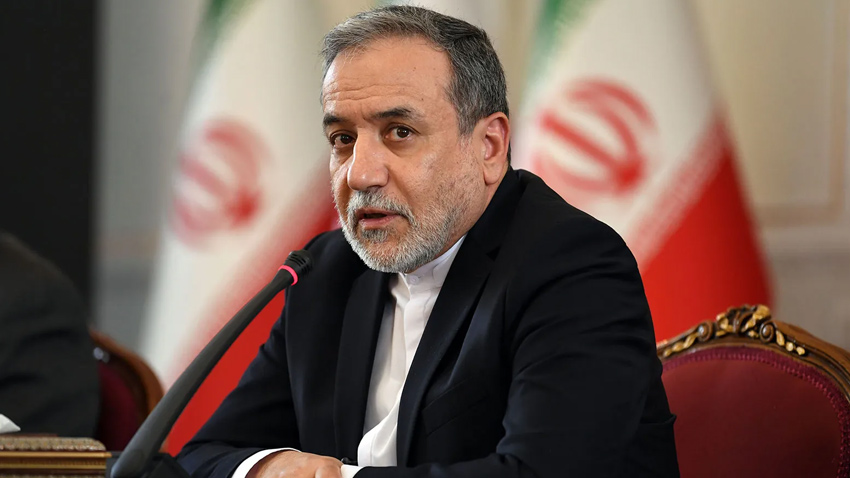
Araghchi stresses continuous Pak-Iran consultations for regional security
Pakistan’s diplomatic role comes into focus
Araghchi also appreciated Pakistan’s role in supporting diplomatic efforts between Iran and the United States.
Pakistan has been involved in regional diplomatic efforts aimed at reducing tensions and finding a peaceful way forward in the conflict.
Saudi Arabia, Qatar and Turkiye have also been part of wider diplomatic efforts to help reduce tensions and encourage dialogue.
Earlier efforts helped the two sides reach an interim peace understanding in June. However, the situation later deteriorated, with military attacks resuming.
The renewed fighting has created fresh pressure on regional countries to support diplomacy and prevent the conflict from spreading further.
Iranian ambassador briefs Araghchi on Pakistan ties
Araghchi met Iran’s ambassador to Pakistan, Dr Reza Amiri Moghadam, during a meeting focused on relations between the two neighbouring countries.
The ambassador presented a report on the latest developments in bilateral relations and discussed plans to further strengthen cooperation between Tehran and Islamabad. The discussions covered efforts to improve relations and expand cooperation between the two countries.
Araghchi welcomed these efforts and stressed that continued consultations between Pakistan and Iran could help protect their mutual interests. He also linked regular communication between the two countries to wider regional security and stability.
Strait of Hormuz tensions raise fresh concerns
The call for continued Pakistan-Iran consultations comes at a sensitive time for the region.
The Strait of Hormuz remains at the centre of the latest tensions. The waterway is one of the world’s most important energy routes and handled roughly one-fifth of global oil and gas supplies before the conflict disrupted traffic.
Iran said it attacked 10 ships near the Strait of Hormuz after the United States sank five Iranian oil tankers. The attacks represent one of the biggest waves of strikes on shipping since the conflict began and have raised concerns about further disruption to international trade.
Recent tracking data also showed that shipping traffic through the Strait of Hormuz remained well below its normal level. Seven vessels crossed the waterway on Wednesday, compared with a 10-day average of 14.
Oil prices rise as shipping risks increase
The renewed attacks have also affected global oil markets. Brent crude prices moved above $100 a barrel as traders became increasingly concerned about possible supply disruptions from the region.
Reuters reported that Brent crude futures reached around $101.61 a barrel on Thursday, while US West Texas Intermediate crude also remained close to $97 a barrel.
Also Read: Brent crude tops $100 as Iran-US attacks threaten oil supply
Higher oil prices could put additional pressure on countries that rely heavily on imported energy. Any prolonged disruption in the Strait of Hormuz could further increase transport and energy costs and create wider economic challenges.
Pakistan faces a delicate diplomatic challenge
Pakistan’s close ties with regional countries give Islamabad an important role as tensions continue.
The country has repeatedly supported dialogue and peaceful solutions to regional disputes. For Pakistan, stability in the Middle East is particularly important because disruptions to energy supplies and shipping routes can directly affect fuel prices, trade and the wider economy.
Continued communication with Iran could also help Pakistan better understand developments along its western border and support efforts to prevent the conflict from affecting neighbouring countries.
Why Araghchi’s message matters
Araghchi’s remarks show that Tehran wants to keep diplomatic communication with Islamabad active during a period of serious regional uncertainty. Regular consultations could allow Pakistan and Iran to discuss security concerns, economic interests and possible steps to reduce tensions.
The message also highlights Pakistan’s diplomatic importance as the conflict continues to affect regional stability. For Islamabad, maintaining communication with Tehran while supporting wider diplomatic efforts could become increasingly important if tensions continue.
What could happen next?
The immediate situation will depend largely on whether Iran and the United States can prevent further attacks on shipping and return to meaningful diplomatic engagement. The latest escalation has already reduced traffic through the Strait of Hormuz and pushed oil prices higher.
If tensions continue, regional countries may face greater pressure to help prevent the conflict from spreading. Pakistan is likely to remain interested in diplomatic engagement because prolonged instability could affect regional security, energy supplies, and economic conditions.


