

Why Mohsin Naqvi warns women against sharing photos online
Private photos can become a tool for blackmail
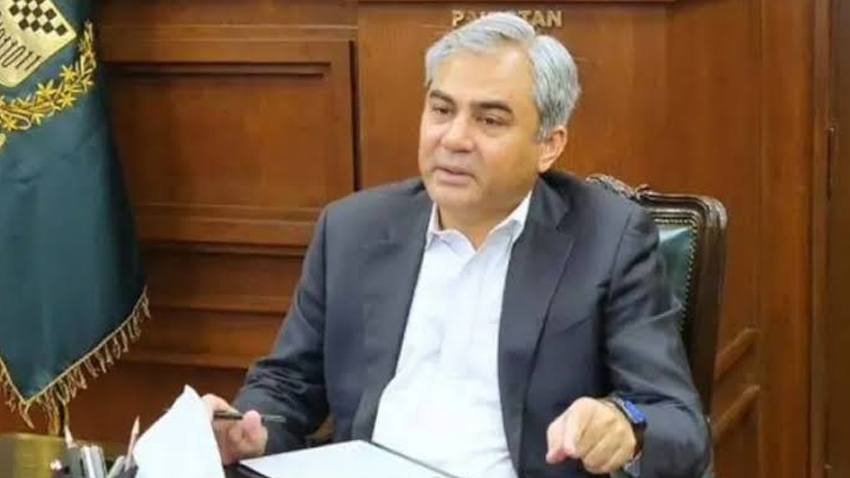
Speaking to the media in Lahore, Naqvi said he visited the National Cyber Crime Investigation Agency (NCCIA) office to review public complaints and understand the problems faced by people seeking help.
He urged mothers, sisters and young girls to be careful when sharing personal photographs and videos online. He warned that criminals could misuse such material to threaten victims, harass them or demand money.
The minister said complaints involving the harassment of girls make up a significant number of cases reported to cybercrime authorities. The warning comes as concerns continue over the misuse of private content on social media.
Government plans online safety campaign
Naqvi said the government was preparing an awareness campaign to educate children, girls and the wider public about online safety. The campaign aims to help people understand cybercrime risks and learn how to protect themselves.
He stressed that people should also be careful when receiving requests for money from strangers online. Some individuals may use claims of illness or emotional stories to persuade people to send money.
The minister advised citizens to verify such requests before making any payment. He warned that people should not trust online appeals for financial help without checking whether they are genuine.
NCCIA staffing and investigations
Naqvi said the NCCIA had 61 personnel across Punjab and that efforts were underway to ensure the agency had enough staff to handle complaints more effectively. He acknowledged the agency’s role in resolving several important cases.
The interior minister said the government would strengthen the agency’s ability to investigate cybercrime. He added that action would be taken against anyone involved in such offences, whether the suspect worked for the government or in the private sector.
Online harassment and blackmail remain concerns
The warning follows continued NCCIA action against alleged online harassment and blackmail involving private photographs, videos and social media accounts. Reports in Pakistani media have described cases in which suspects allegedly used victims’ personal content to threaten them, harm their reputations or extort money.
Such cases highlight the risks people may face when private material is shared or accessed without their consent. Careful online sharing, checking suspicious requests and reporting threats to the relevant authorities can help people respond to these dangers.
Mohsin Naqvi’s warning highlights the need for greater awareness of online safety in Pakistan. People should protect their private content, avoid sending money to unverified strangers and report online threats to the authorities.
Also read: Mohsin Naqvi unveils plan for public facilitation centre, check services


