

Pakistan sets four ‘red lines’ for social media, warns Mohsin Naqvi
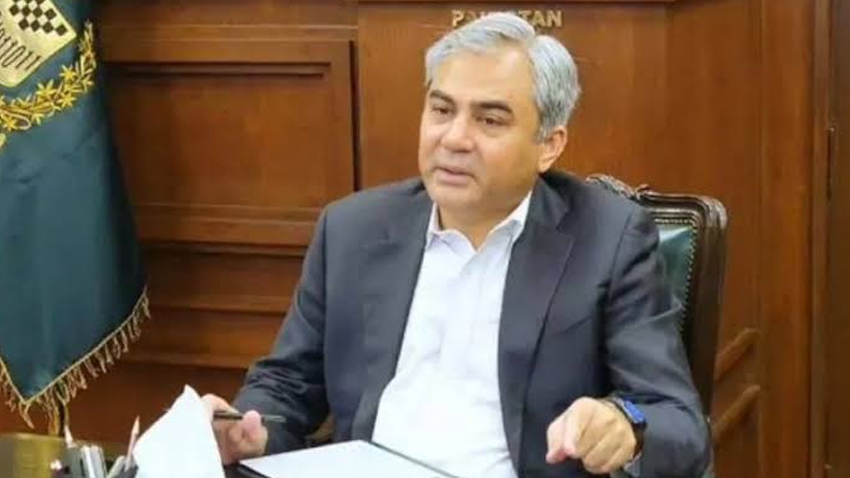
Interior Minister Mohsin Naqvi made these remarks while speaking at a seminar organised by the Sustainable Development Policy Institute (SDPI). He said the government supports freedom of expression but will not tolerate activities that threaten public safety and children.
Four ‘red lines’ set for social media
Naqvi identified four areas where the government would not make any compromise: terrorism, hate speech, incitement to violence and sexual exploitation of children. He said Pakistan had suffered heavy losses because of terrorism and hatred.
“On these four points, there is no compromise. Pakistan has paid for terrorism in blood. As interior minister, I have attended the funerals of martyrs. And very often, the hate that killed them began on a mobile phone,” he said.
The minister claimed that social media platforms acted on only 47 per cent of complaints submitted by the Counter Terrorism Department. He said online hate could lead to serious consequences in the real world.
“This is not about technology, this is about people. We are not saying that free speech must be curtailed […] journalists must report, citizens must question, dissent must be heard, including against the government, but freedom of speech can never become a shield for those who cross these red lines,” he said.
Social media authority to improve accountability
Naqvi said Pakistan faced a shortage of staff, resources and technology to monitor online activities effectively. Giving the example of Punjab, he said the province had a population of around 140 million but only 61 people were working in the National Cyber Crime Investigation Agency (NCCIA).
He added that the 61 staff members included drivers, clerks and officers, making it difficult for the agency to handle all complaints. The government has therefore established the Social Media Protection Regulatory Authority to improve monitoring and accountability.
The minister said the government now wanted to move beyond making policies and focus on their implementation. He proposed that social media platforms, over-the-top (OTT) services and major content creators register with the new authority.
“Registration is not a licence to silence anyone, it tells us who is accountable when something goes wrong,” he said. He also said every social media platform should appoint an authorised representative in Pakistan who could make decisions when serious complaints arise.
One complaint system planned through Pak ID app
Naqvi said citizens should have a simple way to report online problems and check the progress of their complaints. The government is working to shift all NCCIA complaints to the Pak ID app.
“Similarly, citizens need one complaint channel they can track. We are moving all NCCIA complaints onto the Pak ID app and the authority is building a single fully tracked complaint system,” he said.
He also shared an incident involving five girls whom he recently met during a town hall meeting. According to the minister, the girls were close to ending their lives because someone was threatening to release their “sensitive material” on social media.
Naqvi said social media companies must respond quickly when such cases are reported. He stressed that delays in removing harmful content could put innocent people’s lives at risk.
“We don’t have any pathway for approaching those platforms. It’s their responsibility to react immediately to save these innocent lives,” he said.
Government outlines step-by-step action plan
The interior minister said the new authority would check whether social media companies had responded to complaints and taken the required action. He explained that the government planned to follow a gradual enforcement process.
“Finally, enforcement will be step by step: engagement, then notice, then penalties. Blocking a whole [social media] platform will remain a last resort … our request will be clear, lawful and open to review,” he said.
Naqvi said the aim was to make online platforms more responsible rather than restrict legitimate public discussion. He maintained that journalists and citizens should remain free to question the government and express different opinions.
The government wants social media companies to take greater responsibility for harmful content and online threats. Its proposed system could make it easier for people to report problems and seek help.
However, the main challenge will be ensuring that rules against harmful content do not restrict genuine criticism or freedom of expression. A fair and transparent system will be important for protecting both public safety and citizens’ rights.
Also read: Why Mohsin Naqvi warns women against sharing photos online


