

Iran rejects missile inclusion in Islamabad MoU as Pezeshkian visits Pakistan
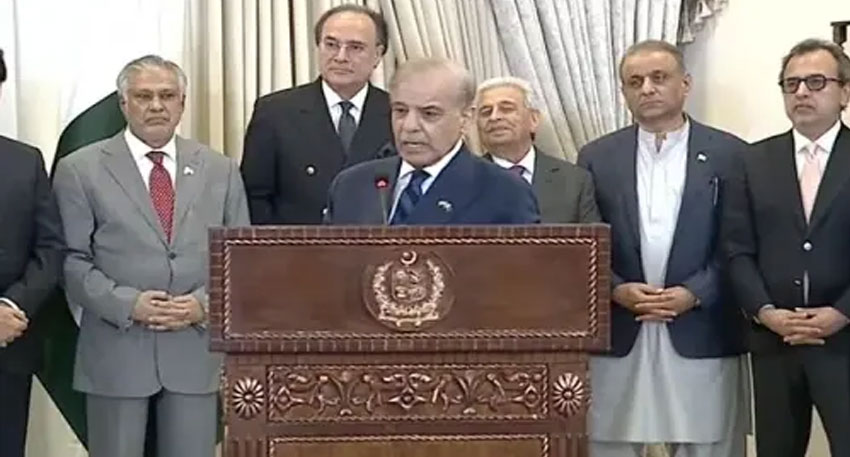
The Iran rejects missile inclusion in Islamabad MoU statement came during high-level talks in Islamabad.
Masoud Pezeshkian said clearly that Tehran’s missile programme was not included in the Memorandum of Understanding. He added that it will also not be part of any future agreement.
During a joint press conference with Prime Minister Shehbaz Sharif, Pezeshkian stressed Iran’s strong position on its defence capabilities. He said Iran’s missile power is essential for its national survival and security.
He further stated that without missile capabilities, Iran would have faced destruction and foreign aggression. He compared regional conflicts to highlight the importance of military strength for national defence.
Pezeshkian made it clear that Iran will never compromise on its missile programme. He said it will remain outside any international agreement or negotiation.
Also read: Pakistan and Iran discuss peace and regional stability
On the Pakistani side, Shehbaz Sharif expressed solidarity with Iran during the press briefing. He announced that he would visit Tehran next week to pay respects to the late Supreme Leader.
The Prime Minister offered “heartfelt condolences” over the loss of lives in Iran, including the late Ayatollah Khamenei, calling him a respected leader in the Muslim world. He said Pakistan stands firmly with the people of Iran in difficult times.
He also thanked the Iranian president for his visit to Pakistan and appreciated the “warmth and sincerity” shown by the visiting delegation. He added that both countries share strong brotherly relations and mutual respect.
The discussions reflected both cooperation and clear differences on defence policy. However, both sides stressed continued dialogue and strong diplomatic ties.
The meeting showed strong diplomatic engagement between Pakistan and Iran. Both sides focused on cooperation despite sensitive defence differences.
Iran clearly defended its missile policy as a national security need. At the same time, Pakistan emphasized friendship and regional stability through dialogue.
Meanwhile, shipping activity in the Strait of Hormuz resumed after improved Iran-US relations. The development has calmed investors and reduced concerns about possible supply disruptions.
According to market reports, US crude oil price fell by $1.32 per barrel. It is now trading at $72.54 per barrel in the international market.
Brent crude also recorded a noticeable decline in price. It dropped by $1.40 per barrel and is now selling at $76.50 per barrel.
Experts say the Strait of Hormuz is one of the most important energy routes in the world. Even small disruptions in this area quickly affect global oil prices.
They further explained that improved regional conditions have reduced fears of supply shortages. As shipping lanes reopened, buying pressure in the market also weakened.