

Govt ends 200-unit electricity bill subsidy under IMF pressure?
The Government of Pakistan has assured the International Monetary Fund that major changes will be introduced in the current electricity subsidy system. A new mechanism is expected to be launched in the coming months to replace the existing model.
According to sources, all consumers using up to 200 units of electricity currently receive the same subsidy. Under the new plan, this general subsidy will be phased out and only eligible families will receive targeted relief from January 2027.
Also read: Sindh government unveils Rs3000 child stipend for rural families
Officials said the new scheme will be linked with the Benazir Income Support Programme and the National Socio-Economic Registry. This will help identify households that genuinely need financial assistance.
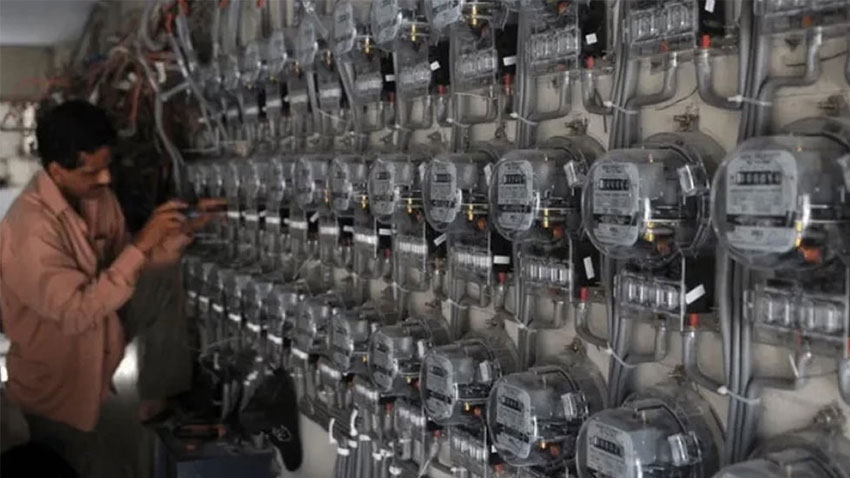
At present, some households use more than one electricity meter and keep consumption below 200 units on each meter. This allows them to receive higher subsidy benefits under the current system.
Under the proposed mechanism, such practices will become much more difficult. The government believes the new method will direct support toward families that truly deserve it.
The government is also developing a new digital mechanism with support from the World Bank. Officials are also considering hiring an external firm to manage subsidy payments more effectively.
At the same time, authorities are preparing to expand the e-Aabiana system currently operating in Punjab to other provinces. Work is also under way on irrigation pricing reforms to maintain balance between expenses and available resources.
According to senior officials, the International Monetary Fund’s Executive Board will meet in Washington on 8 May to discuss Pakistan under the Resilience and Sustainability Facility. The meeting is expected to review the release of the second tranche of $200 million and other important decisions related to Pakistan.
This change could reshape how electricity relief reaches people across Pakistan. The government appears to be moving from broad support to a system that focuses only on low-income households.
Read more: BISP launches non-conditional payments for women before Eid
If implemented carefully, the new mechanism may reduce misuse and improve transparency. However, many families will closely watch how eligibility is decided and whether deserving users continue to receive timely support.


