

Pakistan Army destroys Afghan Taliban posts after Angoor Adda border firing
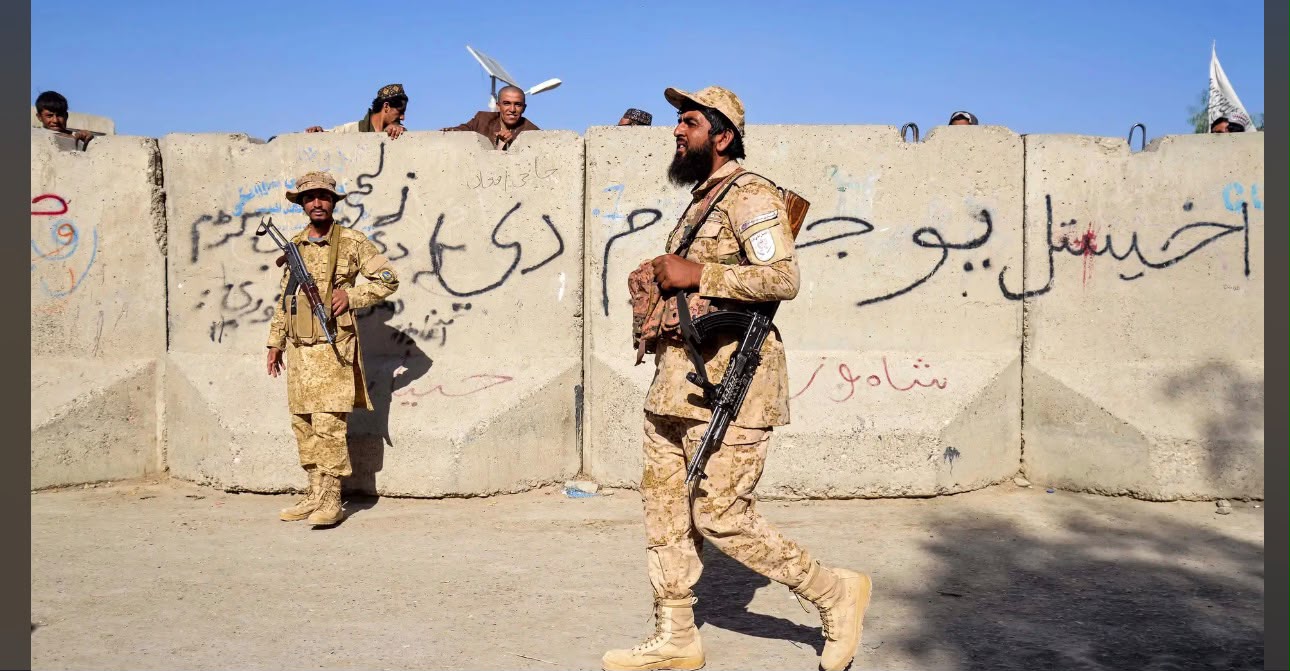
According to state media, Pakistani forces used heavy weapons to target Afghan Taliban positions and force their personnel to leave. Security sources also reported that several Afghan Taliban personnel were killed during the operation.
Pakistan Army responds to border firing
Radio Pakistan reported that the army launched the operation in response to what it described as “unprovoked firing by the Afghan Taliban along the Pak-Afghan border in the Angoor Adda area”. The firing took place on Tuesday and targeted Pakistani border positions and nearby residential areas.
“Using heavy weaponry, the Pakistan Army forced Afghan Taliban personnel to abandon their posts and flee,” the report said. It also claimed that several Afghan Taliban personnel lost their lives during the operation.
The earlier firing reportedly killed one local resident and injured five members of a family. Officials said Afghan positions used sniper rifles, small arms and heavy weapons to target Pakistani security posts.
Pakistani forces responded by attacking several Afghan Taliban border posts, mortar positions and defensive bunkers. The response involved small and heavy weapons, including artillery.
The state media report said security forces would continue protecting the country's borders and citizens. “Security forces remain committed to the defence of the country and the protection of its people and there will be no compromise on national security,” the report said.
Political leaders condemn Afghan Taliban firing
Khyber Pakhtunkhwa Governor Faisal Karim Kundi condemned the attack and warned that Pakistan would “never tolerate” attacks on its people or violations of its territory. He stressed that the country would defend its sovereignty against any such action.
Pakistan also rejected a statement from Afghanistan’s defence ministry that blamed Pakistan for starting the incident. Pakistani authorities described the Afghan statement as a “fabrication of lies”.
Angoor Adda is an important crossing along the Pakistan-Afghanistan border. It is used for trade and the movement of people between the two countries, making security in the area particularly important.
Long-running tensions between Pakistan and Afghanistan
Pakistan has repeatedly asked the Afghan Taliban government to take action against militant groups operating from Afghan territory. Islamabad has particularly raised concerns about the banned Tehreek-i-Taliban Pakistan (TTP), which it accuses of carrying out attacks inside Pakistan.
Pakistan says its requests to stop militant groups and dismantle their hideouts have not received an effective response. These disagreements have contributed to repeated tensions and armed incidents along the border.
In September, Pakistan carried out airstrikes against alleged terrorist hideouts near the Afghan border following major attacks in Khyber Pakhtunkhwa. The government said more than 28 militants were killed in the operation.
Information Minister Attaullah Tarar described the action as part of Operation Ghazab lil Haq. The operation had been launched on February 26 following cross-border firing by Afghan Taliban forces.
Earlier attacks and military operations
A few days after the September airstrikes, Pakistani forces shot down eight drones that had entered the country’s airspace near Torkham and Kohat. The incident increased tensions between the two neighbouring countries.
Pakistan later carried out “precision aerial and drone strikes” at 10 locations in Afghanistan in response to the drone incursions. The Foreign Office also delivered a formal diplomatic protest to the Afghan side on September 26 over the reported airspace violation on September 23.
On October 1, Pakistan conducted further “well-planned and calibrated” airstrikes against alleged militant hideouts in Afghanistan. The Information Ministry said the attacks resulted in the deaths of “multiple terrorists”.
In another incident around the middle of October, Pakistani security forces responded to firing by Afghan Taliban personnel along the border in Upper Kurram, Khyber Pakhtunkhwa. The latest Angoor Adda incident has added to the continuing security concerns along the Pakistan-Afghanistan frontier.
The latest border incident shows that tensions between Pakistan and Afghanistan remain serious. Repeated firing and military responses can increase security risks for people living near the border.
Both countries face the challenge of preventing further violence and protecting civilians. Strong border security and effective action against militant groups will be important for reducing tensions.
Also read: 11 fishermen released from India after years reunite with Karachi families


