

Why Opp takes Sohail Afridi’s detention case to Federal Constitutional Court
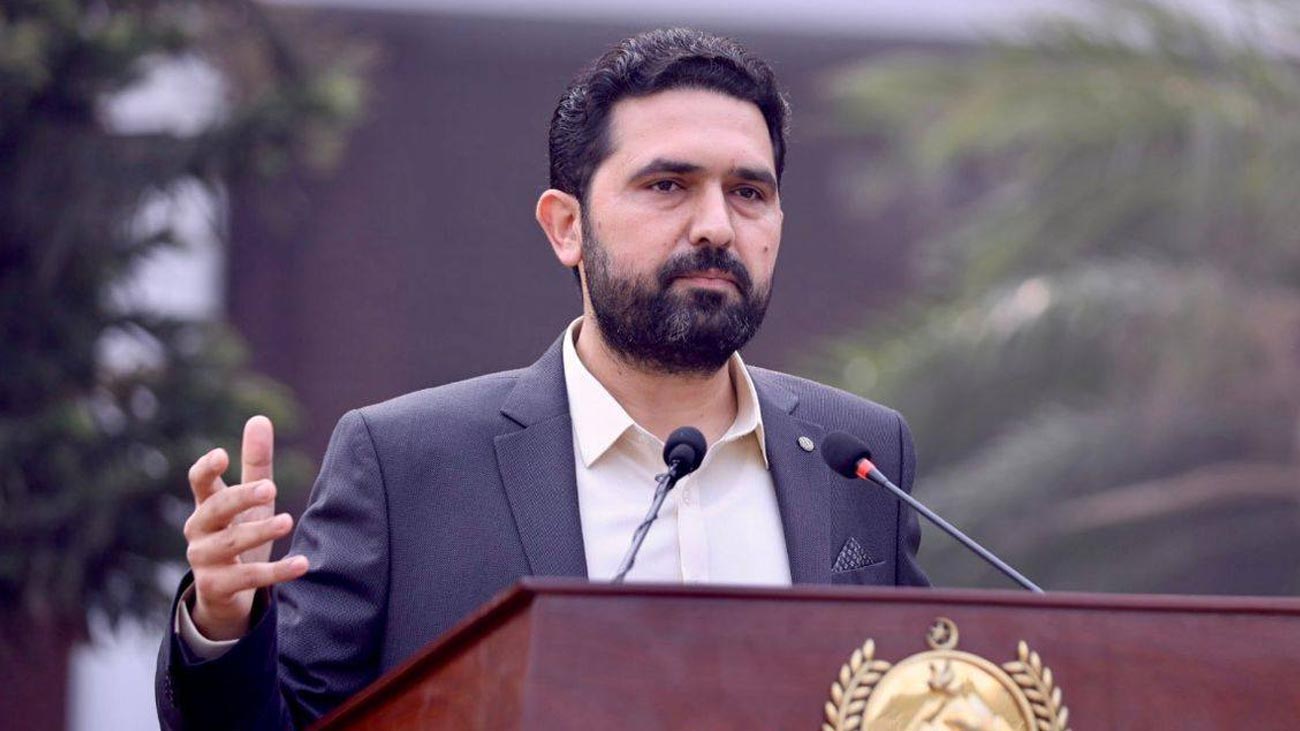
National Assembly Opposition Leader Mehmood Khan Achakzai and Senate Opposition Leader Raja Nasir Abbas jointly filed a petition with the Federal Constitutional Court (FCC). They have requested the court to order the immediate release of the former Khyber Pakhtunkhwa chief minister and other elected representatives.
Sohail Afridi’s whereabouts become a major concern
Sohail Afridi has not been seen in public since the federal government imposed governor’s rule and emergency in Khyber Pakhtunkhwa on October 11. A federal minister confirmed the following day that Afridi and some members of his cabinet were in preventive custody.
The federal government has transferred provincial executive powers to KP Governor Faisal Karim Kundi. However, Pakistan Tehreek-e-Insaf (PTI) maintains that Afridi “remains and shall continue” to serve as chief minister with the “confidence and support” of party founder and former prime minister Imran Khan.
Petition seeks release of 14 elected lawmakers
The petition seeks constitutional protection and action against what the opposition describes as the unlawful arrest and detention of elected representatives. Apart from Afridi, it names KP Assembly Speaker Babar Saleem Swati, Fazal Shakoor Khan, Dr Amjad Ali, Sultan Room, Yameen Khan, Abdus Salam Afridi, Muhammad Azam Khan and Ikram Ghazi.
Six National Assembly members have also been included in the petition. They are Junaid Akbar Khan, Dr Amjad Ali Khan, Iqbal Khan Afridi, Fazal Mohammad Khan, Zubair Wazir and Maulana Naseem Ali Shah.
The opposition leaders have asked the court to identify where these individuals are being held and order their production before the FCC. They have also requested a declaration that their detention is illegal and lacks lawful authority.
Opposition raises questions about constitutional rights
The petition argues that the case involves important questions about the Constitution, democratic representation and the limits of government authority. It refers to Articles 232, 234 and 245, along with Articles 4, 9, 10, 14, 17 and 19-A of the Constitution.
The petition also questions whether the detention or intimidation of elected lawmakers can prevent them from performing their parliamentary duties. It states, “Whether the arrest, intimidation, coercive restraint or other unlawful interference with elected legislators, in circumstances affecting their ability to represent their respective constituencies, amounts to an indirect disenfranchisement of the electorate and an impairment of the constitutional scheme of representative democracy?”
The opposition has further challenged the alleged targeting of lawmakers because of their political affiliation and participation in opposition activities. It argues that such actions could amount to discrimination, political victimisation and misuse of government authority under Articles 4, 14, 17 and 25.
FCC asked to protect democratic mandate and fundamental rights
The petition asks the court to reaffirm that the Constitution is the highest law in the country. It argues that emergency powers, provincial government changes or the deployment of armed forces cannot give state institutions unlimited authority to ignore citizens’ fundamental rights.
It also asks the FCC to protect the freedom, dignity, political association and parliamentary responsibilities of elected representatives. The petition states that the “liberty, dignity, political association and representative functions of elected members were constitutionally protected, and that any arrest, detention, confinement, restriction of movement or coercive action against them was unlawful, unconstitutional and without legal effect”.
Federal secretaries of interior and defence have been named as respondents in the case. Other respondents include the KP chief secretary, provincial Home and Tribal Affairs secretary, inspector general of police, Peshawar capital city police officer, deputy commissioner and Federal Investigation Agency (FIA) director general.
The petition has brought the detention of Sohail Afridi and other elected lawmakers into the legal spotlight. The opposition wants the court to examine whether the government has followed constitutional rules while taking action against elected representatives.
The case could become important for political rights and the powers of the federal government during an emergency. The court’s response will be closely watched as the issue involves both the freedom of lawmakers and the democratic rights of voters.
Also read: President Zardari, PM Shehbaz discuss Pakistan’s security and political situation


