

Senate approves death penalty for acid attacks
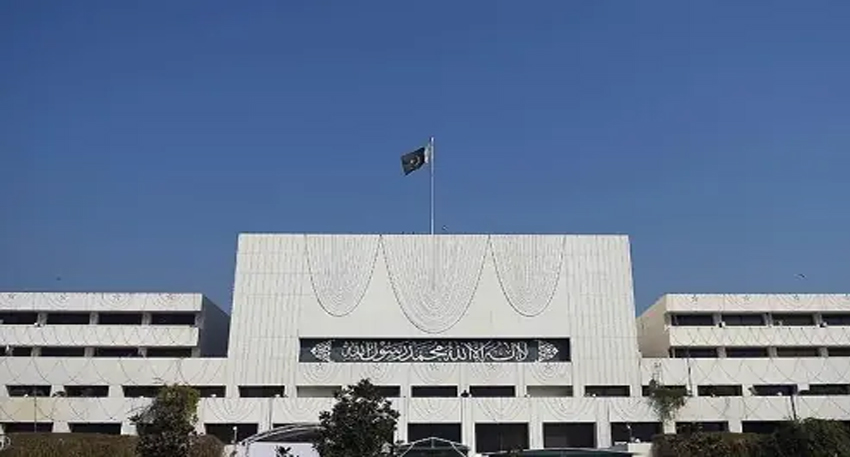
Tougher action against acid attacks
The Senate Standing Committee on Interior has approved a proposal seeking stronger action against people involved in acid attacks.
The move could bring a death penalty for acid attack cases, along with other serious punishments under the proposed changes.
The committee considered several private members’ bills covering acid attacks, domestic workers, LPG safety, rape laws and consumer protection.
The proposed changes to the Pakistan Penal Code come amid concerns that acid attacks continue to leave victims with permanent injuries and severe trauma.
Under the proposed acid attack punishment, offenders could face “death or imprisonment for life or imprisonment of not less than 14 years and a fine of Rs2 million”.
The proposal was approved despite opposition from Minister of State for Interior Talal Chaudhry. Pakistan Peoples Party lawmakers also supported the measure.
If approved through the remaining legislative process, the death penalty for acid attack cases would mark a major change in how such crimes are dealt with.
Protection for domestic workers
The committee also unanimously approved legislation aimed at protecting domestic workers from abuse.
The proposed law covers physical violence, sexual harassment, threats, forced labour, wage theft and the confiscation of identity documents.
Read Also: KMC headquarters fire guts Karachi mayor’s office
It would also cover denying workers food or medical care and subjecting them to humiliating treatment.
Those found guilty could face up to 10 years in prison and a fine of up to Rs100,000.
If the abuse causes serious injury or death, the punishment could increase to life imprisonment and a fine of up to Rs500,000.
The offence would also become non-bailable and could be tried by a sessions court.
Tougher LPG rules
Another bill seeks to criminalise unauthorised LPG decanting, especially the transfer of gas from large cylinders into smaller domestic cylinders without proper safety measures.
The proposed changes would increase imprisonment under Section 286 from six months to two years. The fine would also rise from Rs1,000 to Rs100,000.
Under Section 286-A, imprisonment would increase from two years to five years, while the fine would rise from Rs10,000 to Rs500,000.
“The proposed amendments aim to deter negligent and reckless conduct in the handling of explosive and hazardous substances, ensuring greater public safety and accountability,” the statement said.
Hospitals could face punishment
The committee also approved a proposal to make the wrongful detention of dead bodies a punishable offence.
The proposed law would introduce another form of acid attack punishment-related legal reform? No. The measure separately targets hospitals accused of withholding bodies until families clear unpaid bills.
The proposal would allow a fine of Rs500,000 and up to two years in prison for a first offence.
A second offence, or holding a body for more than 24 hours, could result in up to three years in prison and a fine of Rs1 million.
Exceptions would apply to autopsies and police investigations.
Read Also: Hammad Azhar arrested in Jinnah House case, 48 cases emerge
Other legal changes
The committee also passed the Anti-Rape (Investigation and Trial) (Amendment) Bill.
It further approved changes to consumer protection laws in Islamabad. The proposed changes would bring private healthcare under the 1995 Act and target hidden charges, non-itemised bills and advance deposits before emergency treatment.
Hospitals would also be required to display their fee schedules and provide itemised bills.
The committee also raised concerns over official passports for former parliamentarians and the use of social media by minors.


