

Lahore foreign women case: DIG says no special treatment for ‘minister-linked suspect’
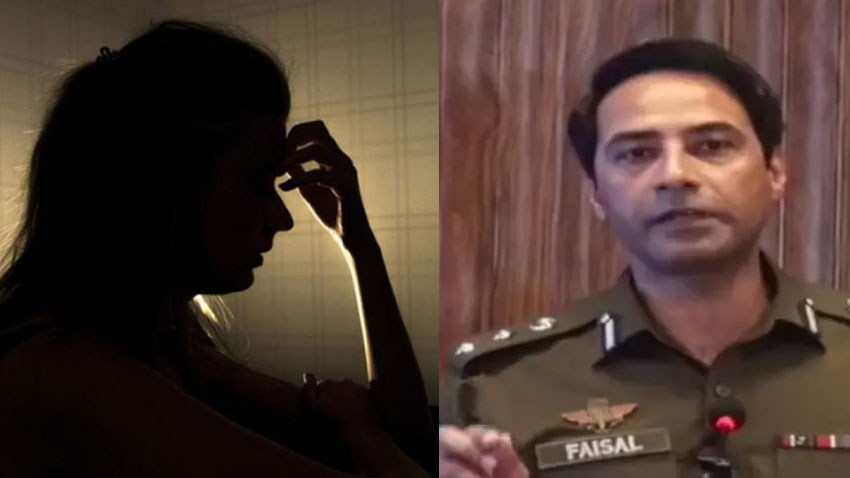
Lahore Deputy Inspector General (DIG) Operations Faisal Kamran said the investigation was carried out without giving any special treatment to a suspect reportedly linked to a senior government minister. He said the government directed police to deal with the accused in the same way as any other criminal.
The case came to light after two foreign women were allegedly abducted and sexually assaulted before being rescued by police. Five suspects were booked in the case, while four, including a close relative of a senior political figure, were arrested and sent on a five-day physical remand.
During a press conference, DIG Faisal Kamran explained how the investigation unfolded. He said police first focused on safely recovering the two women before expanding the operation to identify and arrest those involved.
Police conducted raids in Sargodha and several other locations during the search operation. While tracing one suspect’s background, investigators learned that his family had previously lived in a rented house and was reportedly related to Deputy Prime Minister and Foreign Minister Ishaq Dar.
The suspect was identified as Muhammad Raza Dar after police verified the information with his family. Investigators then obtained his contact number and started tracking his movements.
Kamran said senior police officials and the government were immediately informed about the suspect’s reported connection. He added that authorities issued clear instructions that the accused should receive no special treatment because of his alleged links.
According to the DIG, investigators also suspect that the crime may have involved an organised criminal gang instead of a single individual. He said the investigation is continuing to determine the role of every suspect.
Also read: Lahore foreign women case takes major turn after medical report
Punjab Chief Minister Maryam Nawaz also instructed police to ensure “100pc merit” while taking action against those involved. Kamran said the investigation was carried out strictly according to the law.
The DIG said the suspect later told the women he was taking them to the airport after claiming that he had received ransom money. However, the women became suspicious when the vehicle headed towards Bhatta Chowk instead of the airport.
The situation changed after the suspects’ vehicle collided with another car. The crash gave the two women a chance to escape, and they ran into a nearby shop to seek help.
One of the women remained in contact with her father through WhatsApp and voice messages during the incident. Her father, identified as Carlos, contacted the Defence Assistant Superintendent of Police, and the women later joined a conference call to confirm that they had escaped safely.
Police then traced the suspect using Safe City technology and his mobile phone number. Officers directed him to surrender, after which SP Cantt arrested him and brought him to the police station.
DIG Kamran rejected claims that police had not recovered the women. He said official records showed that police received a 15 emergency call at 12:40, after which officers quickly established contact, tracked locations and coordinated the rescue operation.
He said police are now working to ensure there are no legal loopholes that could benefit any suspect during the trial. Investigators also obtained the women’s consent for medical examinations with assistance from their respective embassies.
The women were initially reluctant to record their statements because they were scheduled to leave Pakistan on July 2. Lahore police arranged compensation for revised air tickets, allowing investigators to complete the necessary legal process before the women departed on July 3.
According to the DIG, both women appreciated the conduct of Lahore police before leaving Pakistan. He said they even “requested a Pakistani flag they could take back with them”.
The case has drawn national attention because of the alleged political connection of one suspect. The investigation will now depend on strong evidence and transparent legal proceedings to ensure public confidence in the justice system.


