

KP plans faceless ATCs and Rs70b security boost to fight terrorism
Faceless courts to protect witnesses and judges
KP Home Secretary Amjad Ali Khan shared the plans during a televised briefing on Sunday. KP Governor Faisal Karim Kundi was also present at the briefing.
Khan said witnesses in terrorism cases were often afraid to testify because their identities could put them at risk. The provincial administration has therefore sent an amendment to establish faceless anti-terrorism courts.
“So, we have recently sent the amendment to set up faceless anti-terrorism courts. Through this, not just the protection of witnesses, but that of prosecutors and judges will also be ensured,” he said.
The proposed system is intended to protect witnesses, prosecutors and judges involved in terrorism cases. Officials believe this protection could help people come forward and support legal action against terrorists.
Rs70bn planned for police and CTD
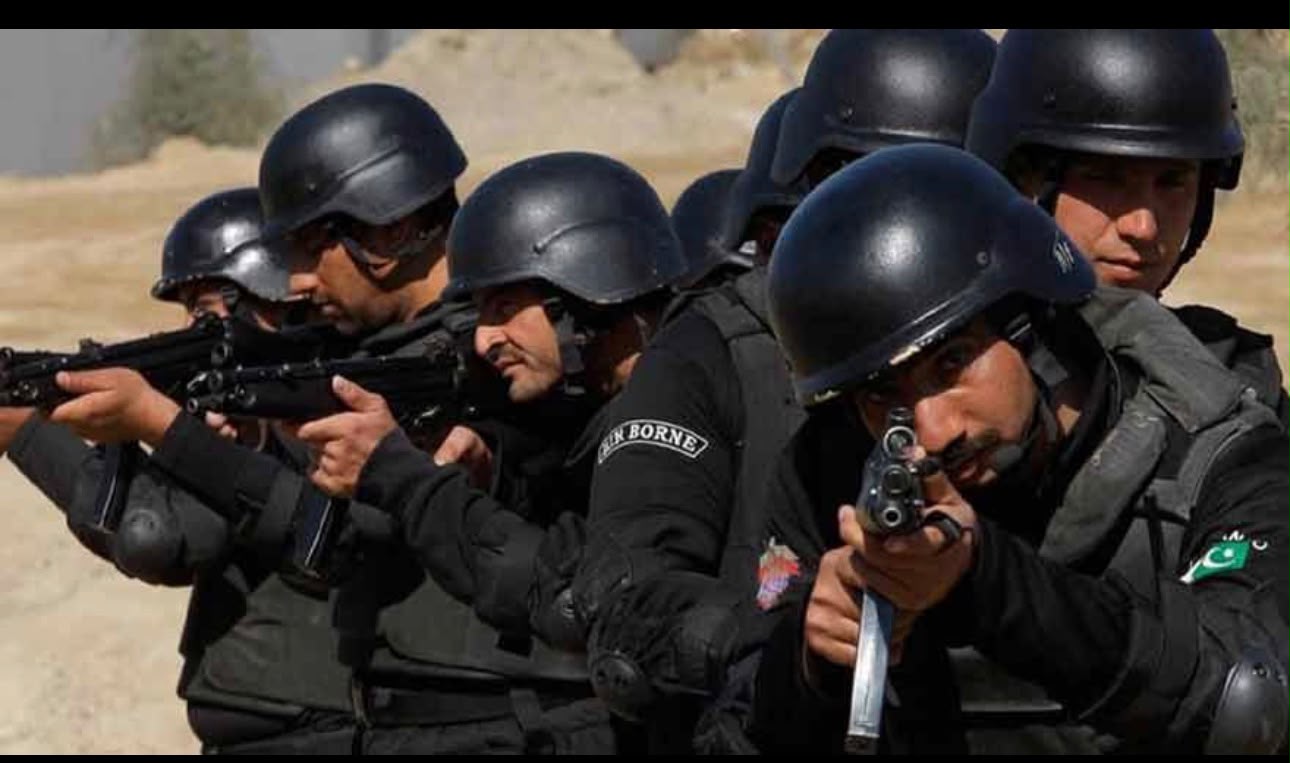
Khan said the provincial administration planned to spend Rs70bn on the Counter-Terrorism Department (CTD) and police over one year. The funding is intended to improve their ability to respond to security threats.
He also pointed to a shortage of more than 10,000 police personnel and a lack of proper security facilities. In the merged districts, he said, only 3.2 per cent of the budget was allocated for security.
He added that police in these districts still depended heavily on former Fata Khasadars and Levies personnel. He also raised concerns about inadequate training and the shortage of specialised SWAT teams.
Security gaps and losses highlighted
The home secretary said the province also lacked effective protection against drone attacks. He stated that the available counter-drone system had only 12 per cent capacity, while terrorists were also using drones.
Khan linked these weaknesses to heavy losses over the past two or three years. He said 1,003 armed forces personnel, 627 police personnel and 808 civilians had lost their lives during this period.
He also called for closer cooperation between the public, political leadership and security forces. He said a lack of political ownership in the past had weakened the fight against terrorism.
Khan further said that actions in the province had sometimes gone against the federal government’s Afghan policy, creating confusion. He also warned that propaganda against security forces was being used to weaken counterterrorism efforts.
New security measures and federal support
The official said the province planned to strengthen sensitive police stations and check posts. Other measures include expanding the Safe City project and setting up anti-drone systems in Dera Ismail Khan, Lakki Marwat and Bannu.
The administration also plans to make District Nerve Centres operational in 10 districts. These centres will provide updated information to law enforcement agencies to support security operations.
Khan referred to the federal government’s Rs160bn development package for KP and said both governments were working together. He expressed hope that the package would produce results in the coming days.
He also said satellite communication systems were being installed in areas where communication facilities were previously unavailable. The move is expected to help police and other security agencies stay connected in remote locations.
KP is planning major changes to improve its response to terrorism. Protecting witnesses, filling police vacancies and improving equipment will be important for making these plans effective.
Also read: Karachi-born US presidential candidate Chris Van Hollen recalls his Pakistan ties


