

Punjab to begin distributing electric bikes to students in November
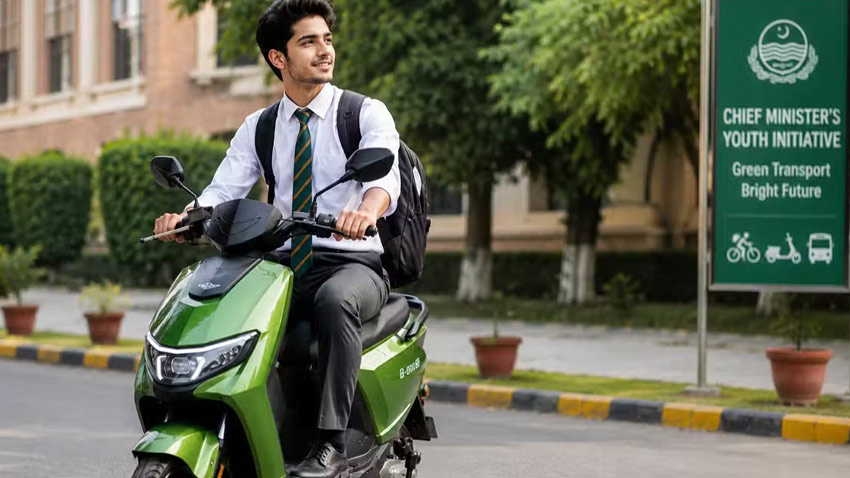
According to figures shared by Chief Minister Maryam Nawaz Sharif, a total of 1,149,058 students have registered for the programme so far.
The registrations include 222,101 female students, showing strong participation by women in the initiative.
The Punjab government opened applications for the latest phase on September 5, 2026, and set October 4 as the deadline for students to apply. The scheme is aimed at helping students with daily travel while giving them easier and more affordable access to educational institutions.
100,000 electric bikes planned
Under the current phase, the Punjab government plans to distribute 100,000 electric bikes among eligible students across the province. The programme is part of the government’s wider efforts to promote cleaner transport and address mobility problems faced by young people.
The official Punjab Transport Department describes the student bike programme as an initiative aimed at addressing mobility challenges and supporting sustainable transport for students. More than 18,500 bikes have already been delivered under the broader interest-free bike programme, according to the department.
The latest expansion is expected to give more students access to personal transport for travelling between their homes and educational institutions.
Female students show strong participation
Female students have also shown significant interest in the programme.
According to the figures shared by the chief minister, more than 222,000 female students have registered for the scheme. The participation of women is an important part of the programme because transport remains a practical challenge for many students travelling to colleges and universities.
The government has said the scheme is intended to improve mobility and provide students with greater independence in their daily travel. The initiative also forms part of broader efforts to increase the use of electric vehicles and reduce dependence on conventional fuel-powered transport.
How much students will pay
Under the financing arrangement provided in the current phase, an electric bike has a listed price of Rs199,000.
The amount payable by the student is Rs109,000.
Students will pay their share through monthly instalments over a period of 36 months.
The monthly instalment has been set at Rs3,028.
The government will cover the insurance, mark-up, and registration costs associated with the financing arrangement.
This means students will not have to bear these additional expenses themselves under the scheme. The financing structure is designed to make the bikes more affordable for students who may not be able to pay the full price upfront.
No down payment required
Another key feature of the current arrangement is that students will not have to make a down payment. The government will provide the bikes through the financing structure, allowing eligible students to pay their share through the agreed monthly instalments.
Also Read: Sindh plans 500 electric buses as public transport expands
The no-down-payment arrangement is expected to reduce the initial financial burden on students and their families. The Punjab government had earlier approved an expanded student e-bike programme with 100,000 bikes and relaxed instalment arrangements.
Helmets and safety equipment included
The programme also includes safety support for students receiving electric bikes. The government will provide helmets along with safety rods to the beneficiaries. Students will also have access to free driving training.
The training is intended to help students understand basic road safety and operate their electric bikes responsibly. The inclusion of safety equipment and training adds another element to the mobility programme, particularly for students who may be using a motorbike for the first time.
Electric bikes linked to cleaner transport
The student electric bike programme is also part of Punjab’s wider push towards cleaner and more sustainable transportation. The provincial government has been working on several electric mobility initiatives, including electric bikes, public transport and other low-emission transport projects.
An official Punjab Transport Department document describes the e-bike initiative as part of efforts to promote sustainable urban mobility and expand access to electric two-wheelers. The government has also been working on electric vehicle infrastructure in educational institutions.
The Punjab Higher Education Department recently announced a project to solarise 355 public colleges, including the installation of electric vehicle charging stations for students’ electric bikes.
November rollout follows strong registration
The large number of registrations indicates strong demand for the latest phase of the scheme.
More than 1.1 million students have registered, while only 100,000 electric bikes are planned for distribution in the current phase. This means the number of applicants is significantly higher than the number of bikes available under the programme.
The government will therefore need to follow the announced eligibility and selection process to determine which students receive the bikes. The distribution process is expected to begin in November.
Scheme aims to improve student mobility
For many students, transport costs can become a major part of their monthly education expenses. The electric bike scheme is intended to provide an alternative by giving students access to personal transport through subsidised and interest-free financing.
The government’s support for insurance, mark-up and registration further reduces the costs that beneficiaries would otherwise have to manage. The initiative is also designed to encourage young people to use electric vehicles, which can reduce fuel consumption and support cleaner urban transport.
What students should know
Students who registered for the programme will need to follow the government’s eligibility and selection requirements. The current phase provides 100,000 electric bikes, while the number of registrations has crossed the one-million mark.
Successful applicants will benefit from the financing arrangement, which includes a student contribution of Rs109,000 payable over 36 months. The government will cover insurance, mark-up and registration costs. Students will also receive safety equipment and free driving training as part of the programme.


