

Punjab approves second phase of free livestock scheme for rural women
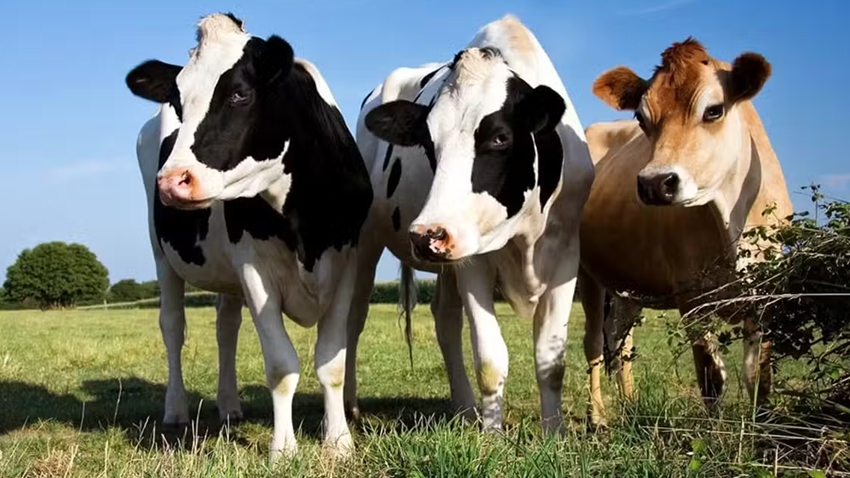
Punjab Chief Minister Maryam Nawaz has approved the second phase of the government’s free livestock programme for rural women.
Under the initiative, thousands more women are expected to receive cows and buffaloes to help them earn an income and support their families.
The programme aims to create better earning opportunities for women in villages, where many households depend on agriculture and livestock for their livelihoods.
The chief minister has directed the Livestock and Dairy Development Department to finalise preparations for the next phase.
However, the exact number of beneficiaries, the distribution schedule and the number of animals to be provided under the second phase have not yet been announced in the information available for this report.
How the livestock scheme will help rural women
The scheme aims to help women become financially independent by providing them with livestock they can raise and manage.
Cows and buffaloes can provide milk for household use and sale. Women may also earn money through dairy farming, depending on milk production, local demand, and the cost of caring for the animals.
For families with limited incomes, selling milk can provide an additional source of earnings.
The programme also aims to reduce poverty by helping women establish their own sources of income instead of depending entirely on other family members for financial support. Livestock farming can offer a livelihood opportunity in rural areas. However, its success depends on access to animal feed, veterinary care, suitable shelter, and local markets.
What happened in the first phase?
The Punjab government previously launched a Rs2 billion livestock programme aimed at supporting 11,000 deserving rural women across 12 districts of South Punjab.
The initiative was designed to provide cows and buffaloes free of cost so beneficiaries could raise the animals and earn money through dairy farming. The programme covered Multan, Khanewal, Lodhran, Vehari, Bahawalpur, Bahawalnagar, Rahim Yar Khan, Dera Ghazi Khan, Layyah, Muzaffargarh, Rajanpur and Kot Addu.
The initial distribution target included 4,870 animals, according to the information provided for this report. The programme was introduced to improve women’s financial independence while supporting the wider rural economy.
Widows and divorced women given priority
The first phase placed particular emphasis on widows and divorced women facing financial difficulties.
Also Read: Lahore airport cancels several flights amid rising Gulf tensions
The aim was to help them earn a regular income and meet household expenses through livestock farming. For women raising children or managing households without a partner’s income, livestock can provide an opportunity to earn money by selling milk.
However, raising animals also involves responsibilities. Beneficiaries need to provide proper feed, clean water, suitable shelter, and timely veterinary treatment to keep their animals healthy. The long-term benefits of the programme will depend not only on distributing animals but also on ensuring that women can care for them and sell their products.
Livestock department directed to prepare for next phase
Maryam Nawaz has instructed the Livestock and Dairy Development Department to finalise arrangements for the second phase.
The department is expected to prepare for the next round of distribution and coordinate the necessary arrangements. Further details, including the number of beneficiaries, the districts to be covered, and the distribution timeline, will be important for women hoping to receive support.
Clear eligibility criteria and a transparent selection process can help ensure that assistance reaches women who need it most. The government’s next announcement is expected to provide more information about how the expanded programme will operate.
Scheme aims to support dairy farming and reduce poverty
The livestock programme is also intended to support milk production in rural areas.
Cows and buffaloes can help families meet their own dairy needs while allowing them to sell surplus milk in local markets. If beneficiaries receive suitable animals and the support needed to care for them, the scheme could help strengthen small-scale dairy farming.
Higher household earnings may also help women pay for food, education and other essential expenses. However, the programme’s actual impact will depend on the condition of the animals, the cost of raising them and the income beneficiaries can earn from selling milk.


