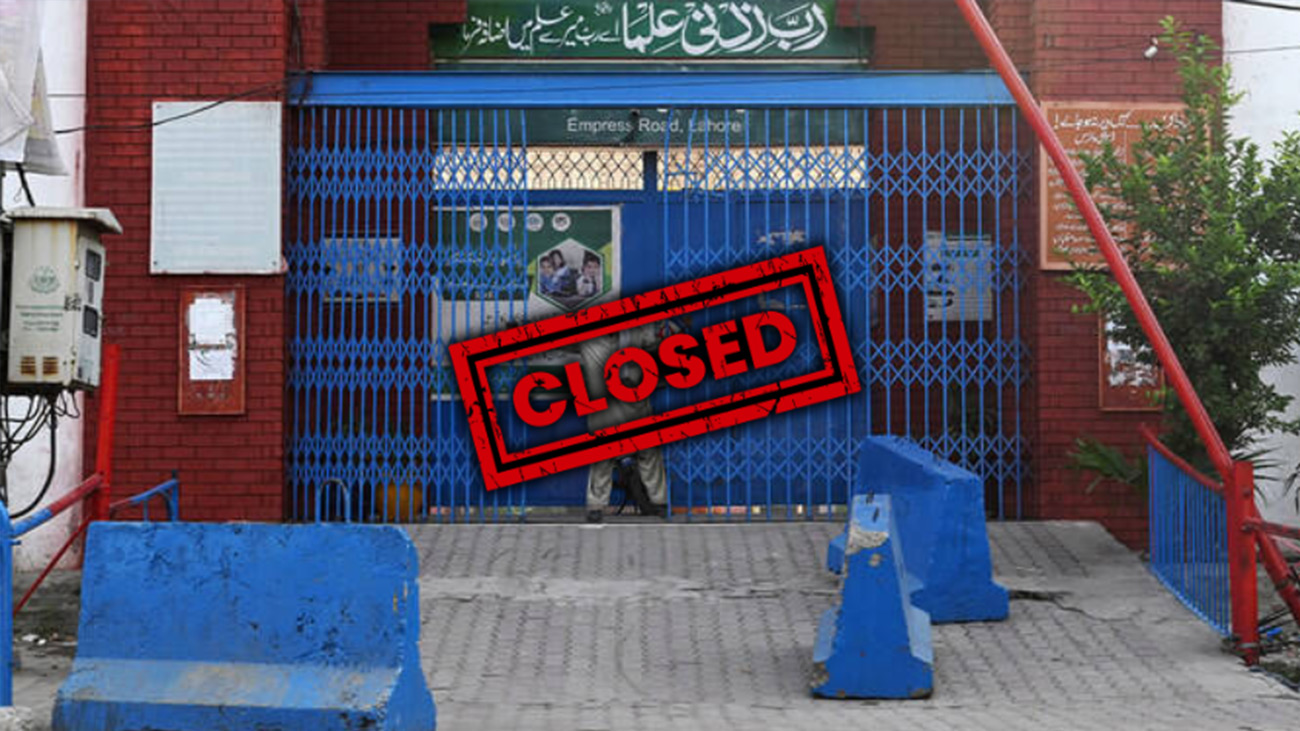
The Sindh government has decided to close all schools and colleges across the province for a 15-day spring break. Both public and private educational institutions will remain closed from March 16 to March 31.
Provincial Information Minister Sharjeel Inam Memon said the decision was taken during a Sindh cabinet meeting. The move is part of broader government measures taken during the current economic and fuel challenges.
Also Read: Why schools closed in Punjab and will online studies solve the crisis?
Even though schools will be closed, academic activities will not stop completely. Colleges and universities have been directed to continue teaching through online classes during the break.
The minister also made it clear that the examination schedule will not change. All exams will be held according to the announced timetable, and students will appear for their papers as planned.
Earlier, the Punjab government also ordered schools to remain closed from March 10 to March 31. These steps are linked to a wider austerity campaign launched by Prime Minister Shehbaz Sharif to reduce fuel consumption.
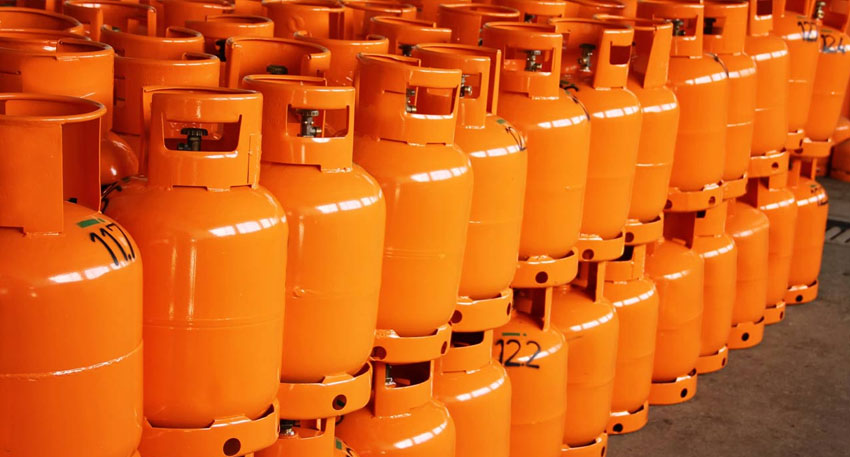
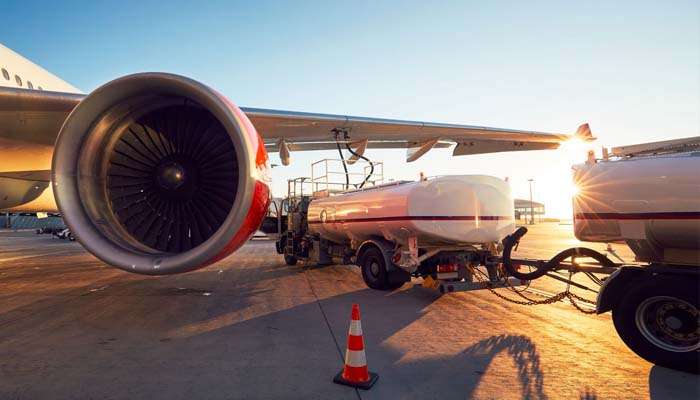
Pakistan is currently facing pressure on fuel supplies due to global tensions. The situation became more serious after disruptions in the Strait of Hormuz, one of the world’s most important oil shipping routes.
Also Read: Fuel card proposal for students emerge after petrol price hike
The crisis deepened when Iran responded to US military actions in the Middle East following joint strikes by Washington and Tel Aviv. These developments have slowed oil shipments and created difficulties for countries that depend heavily on imported fuel.
As fuel supply problems grow, Pakistan recently increased petrol and diesel prices by about 20%. In response, both federal and provincial governments have started austerity steps and energy-saving measures to control fuel use and protect the economy.