

HEC issues document verification warning, urges public to avoid agents
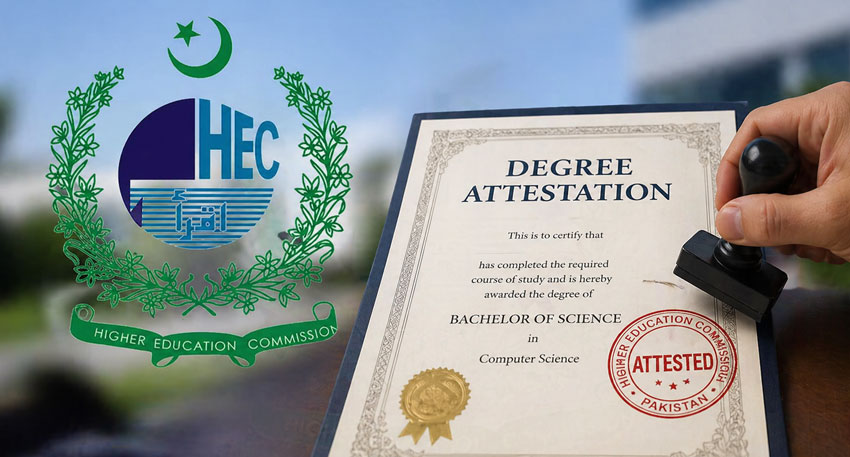
The Higher Education Commission said some unauthorised people are claiming to be HEC verification agents and offering help with educational document verification.
Fake agents raise concerns
According to an HEC spokesperson, such individuals may approach citizens by presenting themselves as authorised representatives of the commission. Applicants have been advised to remain careful when dealing with anyone offering verification services.
HEC warned citizens not to share their personal or educational information with unauthorised people. Sharing such information could increase the risk of fraud or document-related forgery.
Applicants told to apply themselves
The commission advised applicants to follow the official HEC instructions when seeking document verification. They should submit their applications themselves through the available official channels.
HEC also made it clear that applicants should not rely on unauthorised people or private agents for verification matters. Guidance should only be obtained through the commission’s official sources and website.
Official process remains important
The warning is aimed at protecting applicants from people who may misuse their information or falsely claim to provide HEC services. Citizens are encouraged to check the official procedure before submitting any documents or personal details.
The warning shows why applicants should be careful when dealing with document verification services. Using unofficial agents can create unnecessary risks and may expose personal information.
The safest option is to follow HEC’s own instructions and use its official channels. Applicants should also avoid paying anyone who claims they can guarantee or speed up the verification process.
Also read: HEC AI rules for students face a major challenge over tool disclosure
Also read: HEC offers Sri Lanka IT scholarship for Pakistani students


