

Zinc deficiency poses serious health risks, experts warn
Zinc plays a crucial role in several vital biological processes, including wound healing, hormone regulation, and cell growth. It is also important for maintaining healthy skin and preserving the senses of taste and smell. When the body lacks sufficient zinc, these functions can be compromised, leading to both physical and mental health issues.
Medical professionals highlight that zinc deficiency is often caused by an unbalanced diet, excessive dependence on plant-based foods lacking bioavailable zinc, digestive disorders, aging, alcohol consumption, and certain medications. In some cases, a weakened immune system can further aggravate the deficiency, creating a cycle of declining health.
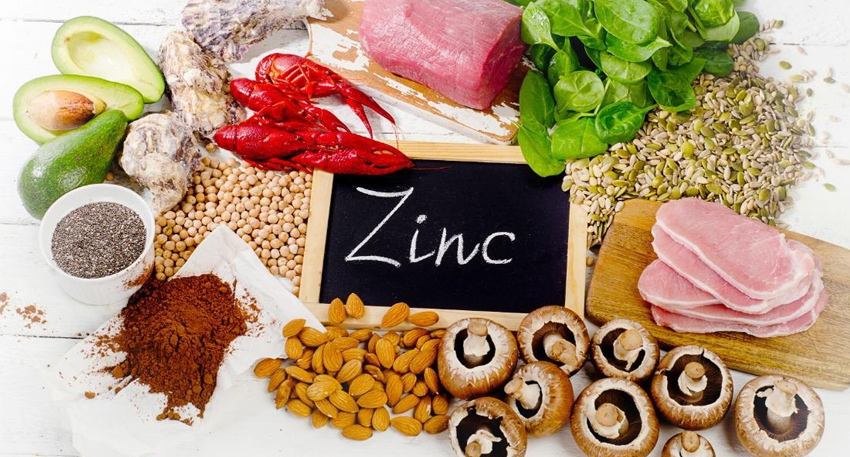
To prevent such risks, experts recommend incorporating zinc-rich foods into daily diets. Common natural sources include meat, liver, fish, chicken, egg yolks, lentils, whole grains, dry fruits, pumpkin seeds, and watermelon seeds.
Daily zinc requirements vary by gender and life stage. Men are advised to consume approximately 12 to 15 mg per day, while women should aim for 10 to 12 mg. The need is even higher for pregnant and breastfeeding women due to increased nutritional demands.
However, specialists caution against excessive zinc intake, noting that overconsumption can also lead to adverse effects. They emphasize the importance of maintaining a balanced diet and seeking medical guidance when necessary.


