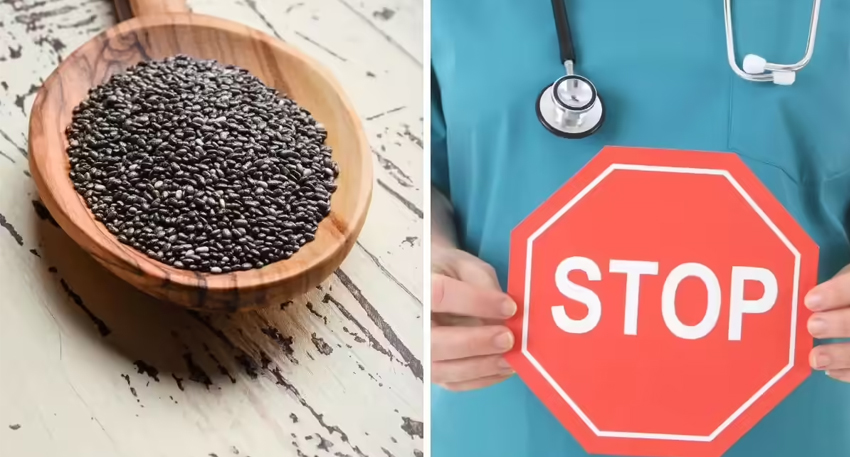
While chia seeds are celebrated for their impressive nutritional profile, gastroenterologists caution that they may not be suitable for everyone. Some individuals are advised to exercise care or avoid them entirely.
Chia seeds are rich in omega-3 fatty acids, fiber, protein, vitamins, and minerals, which are known to support digestion, reduce inflammation, and aid in weight management. This has made them a popular addition to smoothies, yogurt, and other meals.
Also Read: How to avoid high blood pressure during fasting in Ramazan?
However, despite these benefits, medical professionals warn that chia seeds can pose risks for specific groups.
Who Should Be Cautious with Chia Seeds
1. Individuals with swallowing difficulties or esophageal strictures:
Chia seeds can absorb water and expand multiple times their size. Consuming them dry may cause the seeds to swell in the esophagus, potentially leading to discomfort or blockage. Experts recommend soaking chia seeds in water before eating.
2. People with Irritable Bowel Syndrome (IBS):
The high fiber content in chia seeds can trigger bloating, gas, and abdominal pain in IBS patients if introduced suddenly. Gradual introduction is advised.
3. Those on blood-thinning medication:
Chia seeds contain alpha-linolenic acid (ALA), a natural blood thinner. Excessive consumption without medical guidance may increase bleeding risks, so consultation with a doctor is recommended.
4. Patients with severe digestive disorders:
Conditions such as gastroparesis or other motility issues can make digesting the gel-like fiber from chia seeds challenging.
5. Individuals with seed allergies:
Chia seeds can cause allergic reactions ranging from mild discomfort to serious symptoms, so sensitive individuals should avoid them.
Also Read: Mobiles becoming worse than any addiction, experts warn of mental damage
For most people, chia seeds are safe and beneficial when used properly. Nutritionists suggest starting with one tablespoon of soaked seeds in water, yogurt, or smoothies. Once the body adjusts, the portion can be gradually increased to two tablespoons per day.