Fasting during Ramazan is a deeply spiritual practice observed by millions of Muslims worldwide. However, for people suffering from high blood pressure (hypertension), maintaining health while fasting can sometimes be challenging due to major changes in diet, hydration, sleep patterns, and daily routines.
Medical experts say that with proper precautions, individuals with hypertension can safely observe fasting without serious health complications.
Maintain Proper Medication Schedule
According to health specialists, maintaining a consistent medication schedule during Ramazan is extremely important. Patients should avoid making unnecessary changes to their medicine timings.
Some experts suggest that instead of taking medication immediately after Iftar, it may sometimes be more effective to take it after Taraweeh prayers, depending on the doctor’s advice.
Patients are also warned not to double their medication dose if they forget to take it on a particular day. Instead, they should resume their regular schedule the next day.
Control Salt Intake for Stable Blood Pressure
Dietary habits play a key role in controlling blood pressure levels. Foods high in salt can cause an increase in blood pressure.
Experts advise reducing the consumption of salty snacks such as chips, parathas, chutneys, and processed foods during Sehri and Iftar. Instead, patients should include fresh fruits, vegetables, whole grains, and balanced meals in their diet to maintain healthy blood pressure levels.
Stay Hydrated Between Iftar and Sehri
Dehydration can negatively impact people with hypertension. Health experts recommend drinking 8 to 10 glasses of water between Iftar and Sehri to maintain proper hydration levels in the body.
Proper hydration helps regulate blood circulation and blood pressure, reducing the risk of complications during fasting hours.
Also Read: Simple habit reduces risk of 13 types of Cancer
Low-Fat Milk and Heart-Healthy Foods
Low-fat milk is also considered beneficial for individuals with hypertension because it contains essential nutrients with reduced fat, which support heart health and help maintain balanced blood pressure levels.
Including heart-friendly foods such as fruits, vegetables, nuts, and lean protein can further support cardiovascular health during Ramazan.
Manage Stress and Maintain Mental Calmness
Stress is another factor that can increase blood pressure. Experts advise practicing meditation, deep breathing, and spiritual activities during Ramazan to maintain mental peace and emotional balance.
Engaging in prayers, reflection, and relaxation techniques can significantly help control stress levels and support overall well-being.
Healthy Iftar and Light Physical Activity
Breaking the fast with dates and water is considered the healthiest option, followed by a light and balanced meal. Excessive fried and heavy foods should be avoided as they may negatively affect blood pressure.
Light physical activity, such as a short walk after Iftar or mild exercise, can help maintain healthy blood pressure levels. However, experts recommend consulting a doctor before starting any physical activity routine during fasting.
Importance of Proper Sleep and Regular Monitoring
Adequate sleep is essential for maintaining healthy blood pressure. Lack of sleep can increase the risk of hypertension.
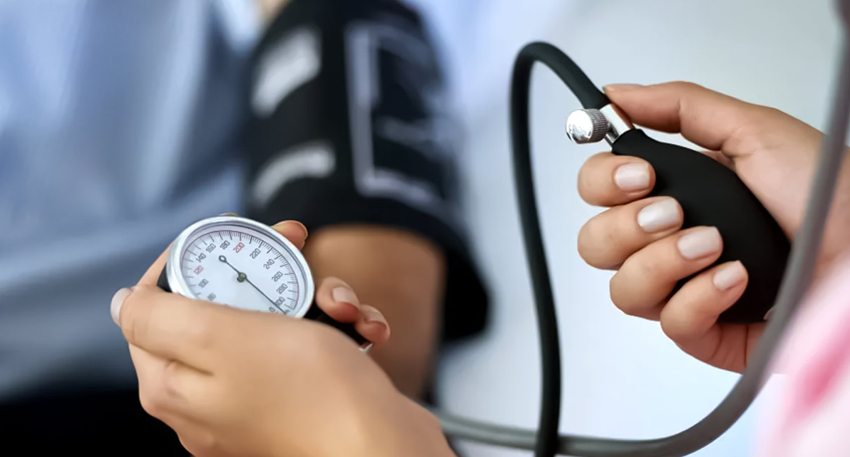
Doctors also recommend regularly monitoring blood pressure during Ramazan. If any unusual symptoms or fluctuations occur, patients should immediately seek medical advice.
Experts emphasize that by following medical guidance, maintaining a healthy lifestyle, and adopting preventive measures, people with high blood pressure can safely observe Ramazan fasting without major health issues.