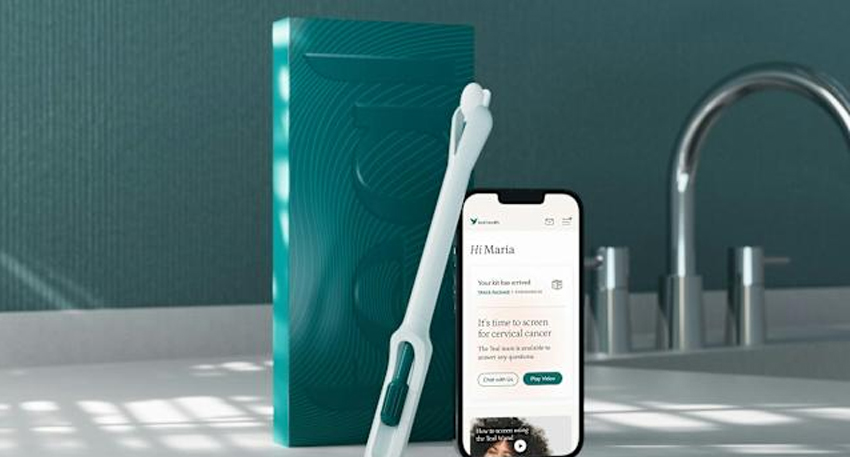
The announcement sent shares of Waters Corporation higher by around 4% in early trading on Wednesday. The company said the self-collection kit is designed to work with BD’s Onclarity HPV assay and can detect all high-risk strains of the human papillomavirus (HPV), which is responsible for the vast majority of cervical cancer cases.
According to Waters, nearly 60% of cervical cancer cases occur in individuals who are either unscreened or under-screened, highlighting the importance of improving access to testing. Health experts have long emphasized that increasing screening coverage, including through at-home sampling, is critical to reducing preventable deaths.
The kit allows patients to collect a sample at home and mail it to a laboratory for analysis. Results are then shared with healthcare providers, ensuring clinical oversight throughout the process. Waters stated that the technology was validated in collaboration with the National Cancer Institute to confirm the accuracy of self-collected samples.
Also Read: Karachi braces for rising temperatures, peak heat expected on Sunday
The company is now working on nationwide partnerships to make the kit available by prescription in the coming months. It also expects the test to be covered by private insurers as well as federal healthcare programs such as Medicare and Medicaid.
The World Health Organization has previously noted that persistent HPV infection is responsible for around 95% of cervical cancer cases globally, underscoring the potential impact of expanded screening tools.