

Shocking reports reveal high lead levels in children’s blood
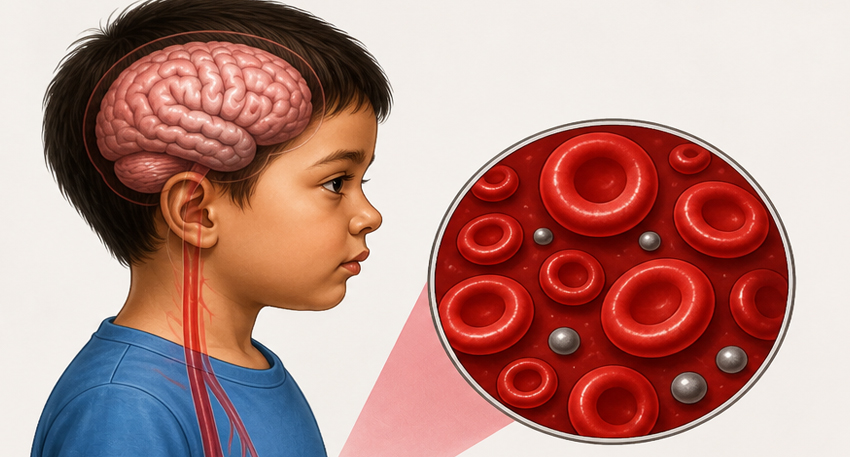
According to the reports, a survey was conducted in which over 2000 children’s blood samples were tested. The reports revealed that 4 out of every 10 children’s blood has been found with Lead present in it. This issue is more prevalent in the children aged from 12 to 36 months.
The situation is more intense in Hattar, the outlying area of Haripur, where 88% of the children were found to have dangerous levels of lead in their blood.
In contrast to that, blood samples taken from Islamabad showed only 1% children suffering from the same problem.
Pollution: the main cause of lead
The presence and amount of lead in blood samples were directly linked to the pollution in the respective area. The report also included the industrial areas of Karachi, Lahore, Rawalpindi, Quetta and Peshawar, where different levels of pollution and lead contamination were observed.
Dangers of lead in human body:
Lead is considered as a very harmful element if found in human body. It effects growth, cognitive ability and immune system. High risks of reduced intelligence, memory problems and behavioral disorders are found in children with lead in their blood.
Also Read: Heatstroke warning issued as Karachi heatwave begins to rise sharply
Possible sources:
The possible sources of lead exposure are:
· Industrial pollution
· Battery recycling
· Paints
· Contaminated spices and food
· Traditional cosmetics
Other Losses:
Around 80% of children in Pakistan are believed to be exposed to lead contamination, and the report warns that this could result in annual economic losses of $25–35 billion.
As Lead exposure harms children’s brain development, lowering IQ and learning ability. This leads to a less productive workforce, lower lifetime earnings, higher healthcare and education costs, and more social issues. When millions are affected, these combined impacts can cause billions of dollars in economic losses each year.
Labeling the issue a national priority, the Ministry of Health has announced plans to launch a nationwide survey to evaluate lead levels in children and pregnant women.


