

Pakistan assesses plague risk from Russia as health officials issue update
Pakistan’s Health Ministry Monitors Plague Risk
The federal health ministry has assessed the risk of plague entering Pakistan as very low following concerns about a suspected case in Siberia, Russia. A ministry official said Border Health Services had been alerted at all entry points to help monitor the situation.
The official added that the National Institute of Health (NIH) had the facilities needed to diagnose the disease. The director general of health said both the ministry and NIH were aware of the developments.
WHO Awaits Complete Information
The ministry official said the World Health Organization (WHO) did not yet have complete information about the suspected case in Russia. Pakistani health authorities are monitoring the situation as concerns continue over the laboratory worker’s death.
The case came under attention after Darya Shipilova, a 28-year-old laboratory worker at the Irkutsk Anti-Plague Research Institute of Siberia and the Far East, died on October 2. Her death raised concerns because of her workplace’s focus on plague research.
Russia Reports Negative Tests Among Contacts
Russian authorities initially quarantined around 200 people who had been in contact with Shipilova. They later reported that 90% of those people had been released after nearly 5,000 laboratory tests found no plague cases among her contacts.
Russia’s health regulator said on Wednesday that there was no risk of an epidemic and that precautionary measures were being reduced. However, officials have not confirmed that plague caused Shipilova’s death.
What Caused the Laboratory Worker’s Death?
A regional governor initially suggested that Shipilova might have contracted plague, but Russia’s health watchdog later said she died from an unidentified type of pneumonia. The exact cause of her death has not been confirmed as plague.
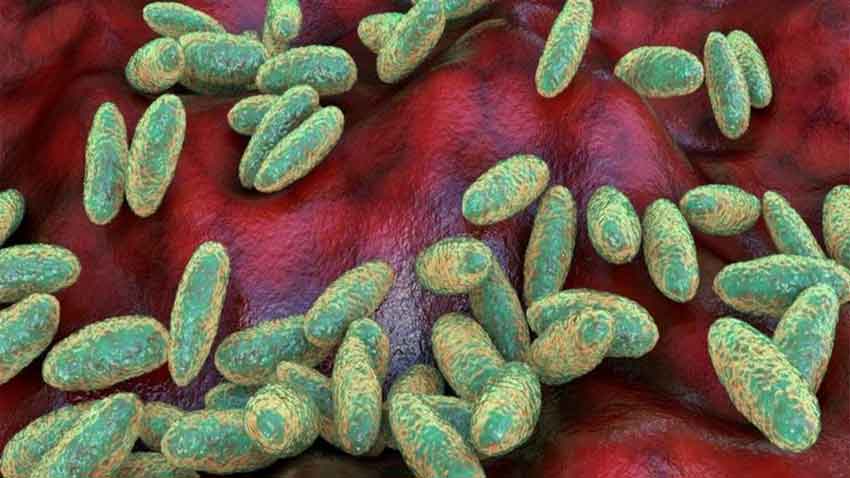
Plague is caused by the bacterium Yersinia pestis and can spread to humans through bites from infected fleas or respiratory particles. Early diagnosis and antibiotic treatment can help treat the infection, making timely medical attention important.
Pakistan’s assessment suggests that the immediate risk of plague spreading from Russia remains low. However, health authorities are taking precautions while information about the suspected case remains incomplete.
The negative test results among Shipilova’s contacts are reassuring, but they do not establish the exact cause of her death. Continued monitoring and reliable laboratory testing remain important to prevent unnecessary public concern and respond quickly if new evidence emerges.
Also read: Punjab announces laptop and scholarship distribution in three districts
Also read: Erasmus Mundus scholarship opens new chance for Pakistani students


