

K-Beauty becomes Gen Z’s global Obsession, reshaping skincare trends worldwide
From Niche Trend to Global Industry Leader
Once considered a niche market, K-beauty is now a major force in the global cosmetics industry. In 2025, Korean skincare and makeup products gained massive popularity worldwide, with major retailers like Sephora and Ulta Beauty expanding their Korean product lines. South Korea’s leading beauty retailer Olive Young is also preparing to open its first physical store in the United States.
Power of Social Media
Experts say platforms like TikTok and Instagram have played a key role in K-beauty’s success. Viral skincare routines, “glass skin” tutorials, and product reviews have helped Korean brands reach global audiences, turning everyday users into influencers and boosting product demand.
Also Read: Do lungs really regenerate after quitting smoking? Experts explain the truth
Why Gen Z Loves K-Beauty
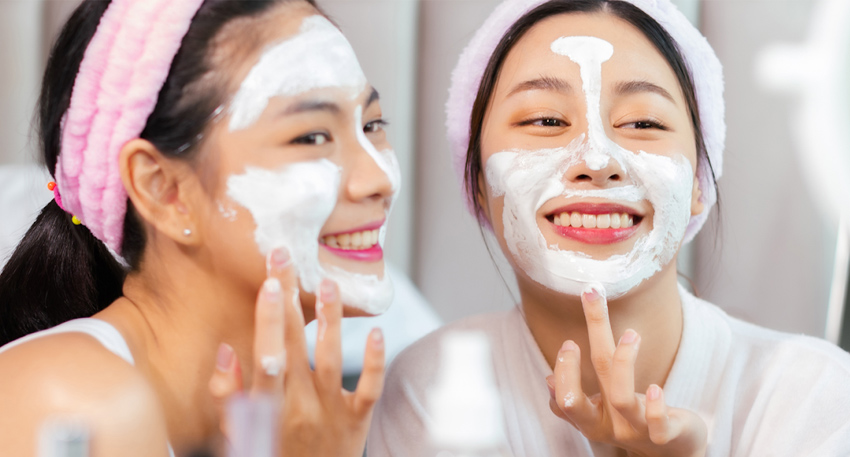
Gen Z consumers are drawn to K-beauty because it focuses on healthy, glowing skin rather than heavy makeup. The trend reflects their values of self-care, affordability, transparency, and inclusivity. Multi-step routines and gentle ingredients have become a key part of their daily skincare habits.
Popular products like the COSRX Snail Mucin Essence, Laneige Water Sleeping Mask, and Beauty of Joseon SPF sunscreen have gone viral for their hydration, repair, and skin-protection benefits.
A Growing Global Movement
Industry leaders believe K-beauty is still expanding, with new product categories and markets emerging. Its influence is expected to grow further in 2026 as demand continues to rise worldwide.
Experts say K-beauty is no longer just a trend but a long-term shift in how younger generations approach skincare and beauty.