

Hypertension kills 400,000 Pakistanis every year, experts urge immediate preventive action
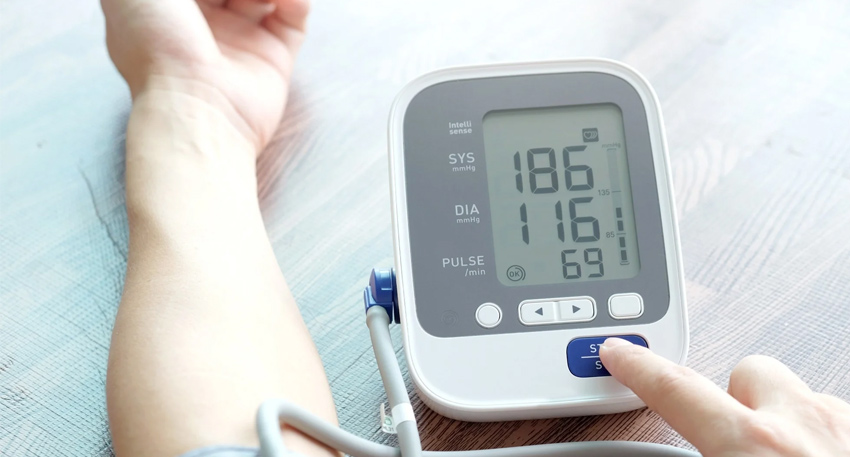
The warning was issued during a World Hypertension Day seminar held at the Dow University of Health Sciences in Karachi. Medical professionals described hypertension as a “silent killer” because it often shows no clear symptoms until it causes serious damage to the heart, brain, kidneys, or eyes.
Growing Health Crisis in Pakistan
Experts shared alarming statistics, stating that around 33 million people in Pakistan are currently living with high blood pressure. However, only about 12 percent have their condition under control, while nearly half of the patients are unaware that they even have hypertension.
Globally, about 1.4 billion people are affected by the condition, and it is linked to nearly 10 million deaths every year. Doctors warned that without early diagnosis and proper care, the situation could become worse in the coming years.
Silent but Dangerous Disease
Medical professionals explained that uncontrolled hypertension can damage blood vessels over time, leading to life-threatening complications such as heart attacks, strokes, kidney failure, paralysis, and vision loss. They said many patients ignore early signs and seek treatment only when symptoms become severe.
Experts also highlighted that tobacco use increases the risk of cardiovascular diseases by a significant margin, while unhealthy lifestyles continue to fuel the growing number of cases.
Rising Cases Among Youth
Doctors expressed concern that hypertension is no longer limited to older adults. Increasing cases are now being reported in people as young as 10 to 20 years old. Poor diet, lack of exercise, stress, and excessive salt intake were identified as major contributing factors.
Also Read: Grewia Asiatica (Phalsa): Refreshing natural summer fruit for healthy living
Call for Lifestyle Changes and Awareness
Health experts strongly recommended simple lifestyle changes, including regular exercise, weight control, reduced salt consumption, quitting smoking, and routine blood pressure checks after the age of 18. They emphasized that early detection can prevent serious complications.
They also urged authorities to launch nationwide awareness campaigns and promote healthier habits such as walking and cycling instead of heavy dependence on vehicles.
The seminar concluded with a call for urgent national action to reduce the growing burden of hypertension and protect public health.