

Big boost for pharma sector as Pakistan signs USD800 million MoUs
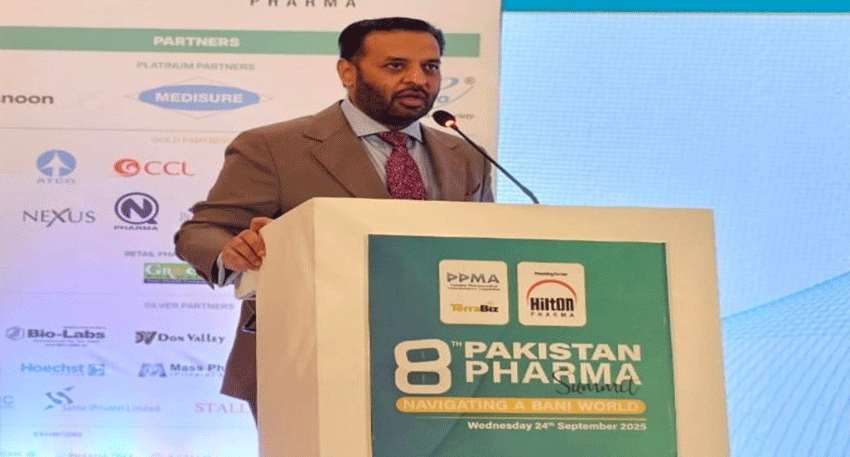
Federal Health Minister Syed Mustafa Kamal said Pakistan secured memorandums of understanding (MoUs) worth USD800 million during a business-to-business (B2B) conference held in Islamabad. The agreements were signed between Chinese and Pakistani companies to expand investment in the pharmaceutical and healthcare sectors.
Speaking at a press conference, the minister said the conference focused on six sub-sectors of the pharmaceutical industry. It brought together 140 Chinese companies and more than 200 Pakistani firms, creating new opportunities for business partnerships and investment.
Kamal said a total of 22 agreements were signed during the event. These included deals related to pharmaceutical raw materials, vaccines and medical devices. He added that nine of the agreements were signed in the presence of Prime Minister Shehbaz Sharif.
The health minister said Pakistan has introduced its first-ever national vaccine policy, calling it an important step towards strengthening the healthcare system. He noted that although the country currently provides 13 vaccines, all of them are imported.
He explained that Pakistan manufactures about 85% of its medicines locally, but nearly 95% of the raw materials used in pharmaceutical production are imported. He also said that 99% of medical devices used in the country come from abroad, showing the need to increase local manufacturing.
Kamal said the government is working to modernise the health sector through digital reforms. He said the Drug Regulatory Authority of Pakistan (DRAP) has already started digitising its systems and is expected to become fully digital within the next year.
Also Read: Pakistan issues high alert as Ebola outbreak spreads in Africa
According to the minister, the digital system has already made the approval process for medical devices much faster. Earlier, approvals could take between two-and-a-half and three years, but the new system is helping reduce delays.
He added that Pakistan currently exports medicines to 52 countries and expressed confidence that more investment and technology transfer would further strengthen the pharmaceutical industry.
Kamal said healthcare is one of the country’s fastest-growing sectors because Pakistan’s population has crossed 260 million and continues to rise. He noted that the growing population will increase demand for medicines and healthcare services, adding that Pakistan is expected to become the world’s fourth most populous country by 2030.
The minister also appreciated Islamabad Police for providing support to foreign delegates attending the conference. He said the successful event highlighted Pakistan’s efforts to attract international cooperation and investment in the healthcare sector.


