

Punjab to introduce AI scanner to detect cancer at an early stage
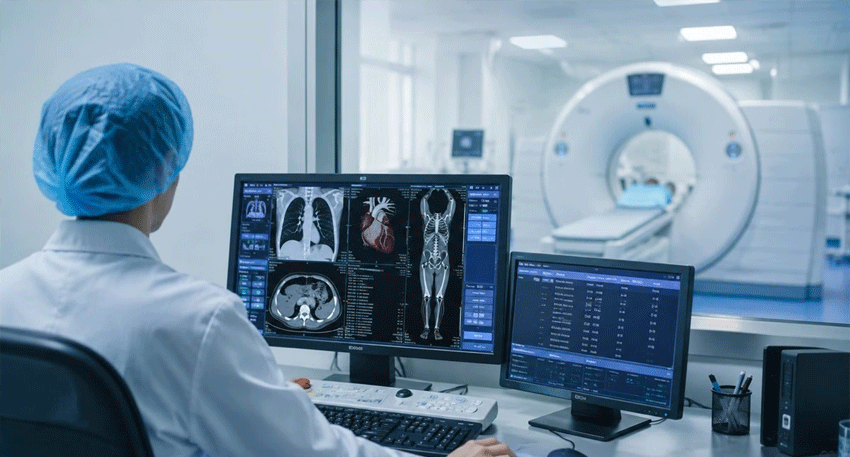
AI scanner planned for Punjab
The Punjab government has approved plans to introduce an artificial intelligence-powered multi-disease scanner to make medical screening faster and more effective.
The technology was presented to Maryam Nawaz during a meeting with senior executives of Chinese technology company Alibaba.
According to the briefing, the system uses non-contrast CT scans and can potentially detect up to 10 diseases within around two minutes.
The proposed Punjab AI scanner is designed to support doctors in screening, diagnosis, treatment and disease management.
Focus on early cancer detection
One of the main purposes of the system is AI cancer detection Punjab, with a focus on finding serious diseases at an earlier stage.
The technology can help screen for gastric, pancreatic, esophageal, colorectal and liver cancers.
It may also assist doctors in identifying pancreatic and liver cancer cases that require further medical assessment.
The wider cancer detection technology could help doctors identify warning signs earlier and decide whether patients need additional tests or treatment.
Scanner can check more diseases
The system is not limited to cancer screening.
It can also help detect Acute Aortic Syndrome and assess risks related to cardiovascular diseases.
The technology can further examine fat and muscle health, support assessments for osteoporosis and weak bones, and help identify fatty liver disease.
This means the proposed AI medical screening system could provide doctors with information about several health conditions through one technology platform.
The Punjab AI scanner is expected to act as an additional medical tool rather than replace doctors or conventional diagnostic methods.
Read Also: Eight Islamabad buildings sealed over fire safety violations
Pilot project to be prepared
Maryam Nawaz has directed provincial health authorities to prepare a pilot project for the technology.
However, officials have not yet announced where the first system will be installed or when the pilot programme will begin.
Further details are expected after the provincial authorities complete their planning and review the practical requirements.
The government will also need to assess how the cancer detection technology performs in real medical settings before wider deployment.
Doctors will remain involved
Officials have made it clear that AI medical screening will support existing medical procedures rather than replace them.
Doctors will still need to review the results, consider other medical evidence and make final decisions about diagnosis and treatment.
This means the system is expected to work as a support tool that could save time and provide more information during patient assessments.


