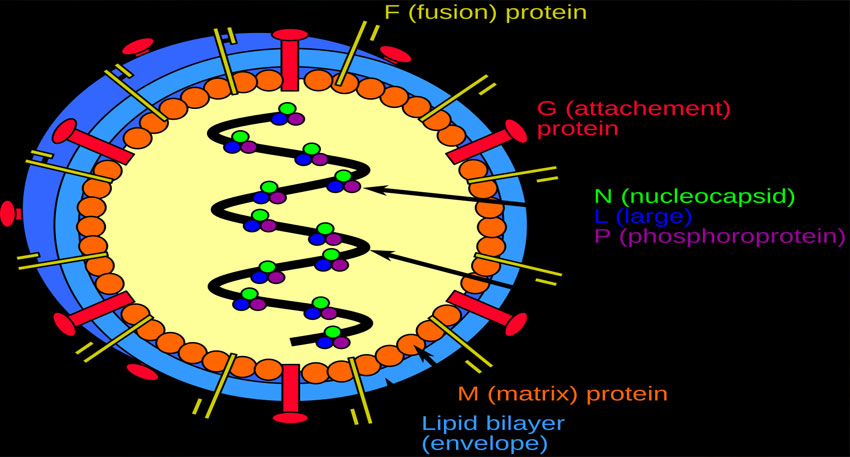
The World Health Organization (WHO) has confirmed two new cases of the deadly Nipah virus in an eastern state of India this week, triggering strict monitoring and preventive measures by health authorities.
Nipah virus is a highly dangerous pathogen that can spread from animals to humans and, in some cases, between humans. It was first identified in Malaysia in 1998, when people fell ill after contact with infected pigs. Since then, outbreaks have occurred in India, Bangladesh, the Philippines, and Singapore.
Fruit bats are the primary carriers of the virus. While these bats do not fall ill, they can transmit the virus to humans, directly or indirectly. Human infections can occur through direct contact with infected animals, consuming contaminated food such as fruits or date palm sap, or close contact with infected individuals during caregiving.
Symptoms of the virus usually appear within 4 to 14 days, but in some cases, they may take up to 45 days. Early signs include fever, headache, muscle pain, vomiting, sore throat, dizziness, and difficulty breathing. Severe infections can lead to brain inflammation, seizures, or coma.
Also Read: WHO confirms new Nipah virus cases in India
Currently, there is no specific treatment or vaccine for Nipah virus. Medical care focuses on supportive treatment, aimed at managing symptoms and stabilizing the patient.
The virus is extremely lethal, with a mortality rate ranging from 40% to 75%. Authorities advise preventive measures including washing or peeling fruits thoroughly, avoiding areas where bats live, avoiding contact with sick animals, and maintaining hygiene while caring for patients.
The new cases have raised concerns over public health safety, and authorities are urging citizens to follow preventive guidelines strictly to avoid further spread.