

Falak Shabir sparks controversy over public dress code remarks
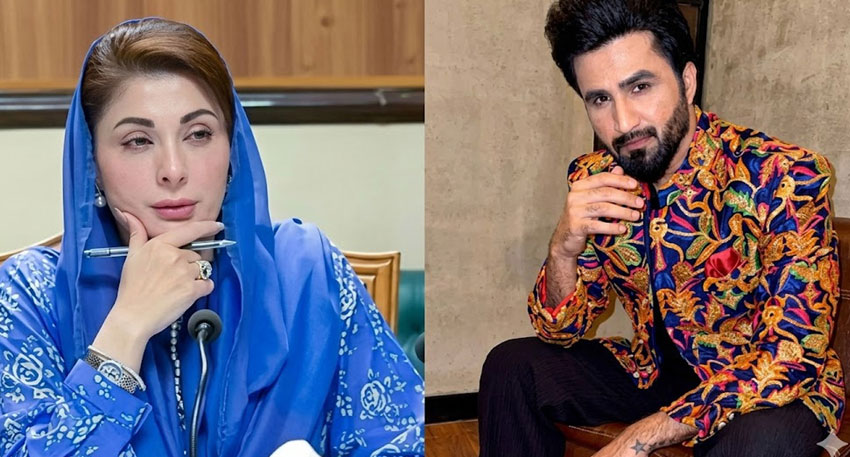
Popular Pakistani singer Falak Shabir has become the center of an online debate after his recent social media post in which he supported government action against vape pods but also raised concerns over public dress standards.
In his post, Falak Shabir praised the Punjab government for taking steps against vape pods, calling it a positive initiative for public health. However, he also urged Chief Minister Maryam Nawaz to consider introducing guidelines related to clothing in public places.
The singer stated that, as a father of two daughters, he believes authorities should examine the issue of dress codes in public areas such as markets and streets. He suggested that restrictions on “revealing or short clothing” in public spaces could help preserve cultural and social values.
His comments quickly gained attention after being shared by his wife and actress Sara Khan, further amplifying the discussion online.
Social media reaction
The statement sparked mixed reactions on social media. Some users supported his views, saying public dress guidelines could help maintain cultural norms. However, many others criticized the remarks, arguing that personal clothing choices should remain a matter of individual freedom.
Several users also pointed out that Falak Shabir resides in the United Kingdom with his family, questioning whether he should comment on dress standards in Pakistan. Critics described his suggestion as unnecessary moral policing, while others accused him of seeking attention through controversial statements.
Public debate continues
The discussion has since grown into a broader debate about cultural values, personal liberty, and public morality in Pakistan. Social media users remain divided, with no clear consensus emerging as the controversy continues to trend online.


