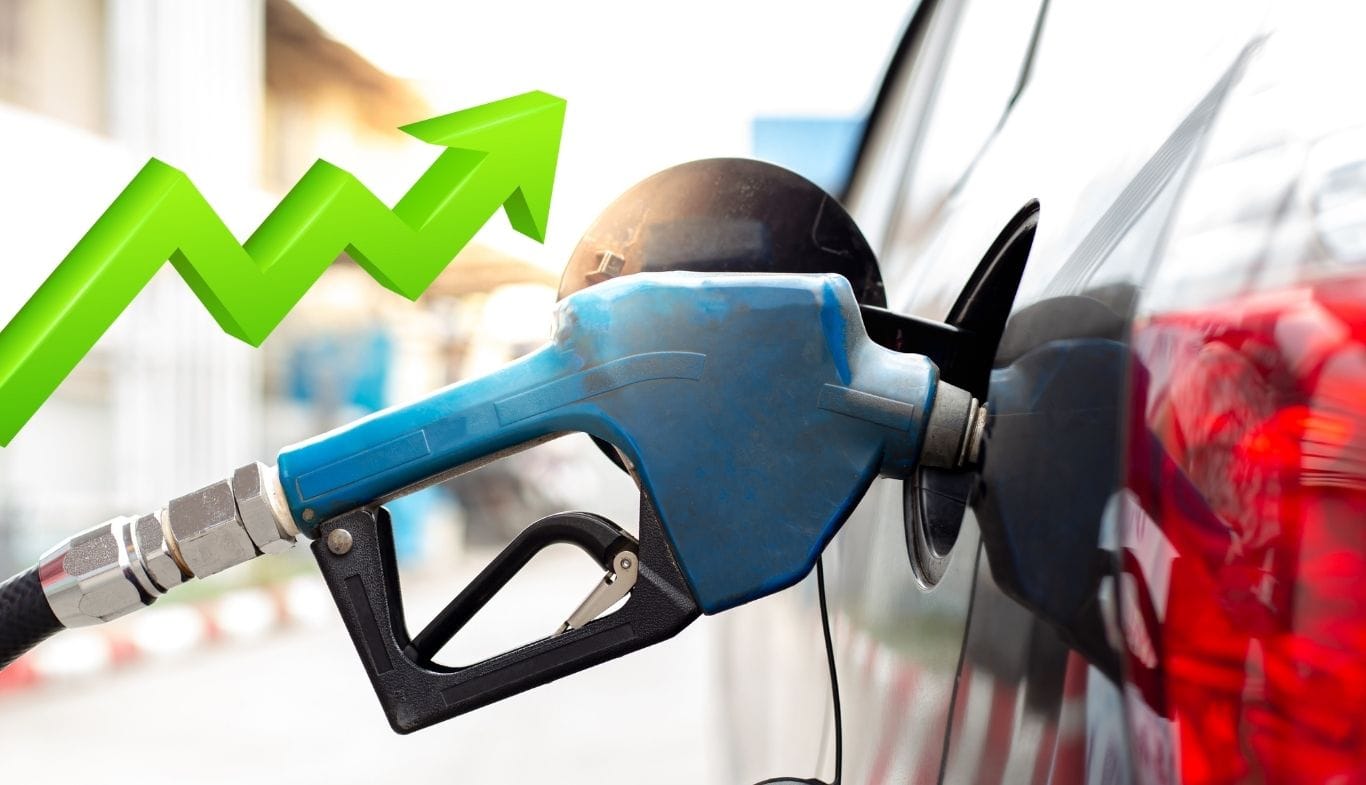
The federal government has announced a petrol price increase of Rs8 per litre and a diesel price hike of Rs5.16 per litre, revising petroleum prices for the next fortnight amid global oil market fluctuations.
Under the latest notification issued by the Petroleum Division, the new fuel prices will come into effect from midnight for the next 15 days.
- Petrol price increased by Rs8 per litre, bringing the new rate to Rs266.17 per litre.
- High-speed diesel price increased by Rs5.16 per litre, setting the new rate at Rs280.86 per litre.
The government stated that the revised petroleum prices reflect international oil price trends and currency adjustments impacting the local market.
Also Read: Strait of Hormuz closed by Iran, world markets brace for oil shock
Impact of Petrol Price Hike on Public and Economy
The petrol price hike in Pakistan is expected to increase transportation costs and trigger a possible rise in essential commodity prices. With fuel being a key input for logistics and public transport, economists warn of additional inflationary pressure in the coming weeks.
Citizens have expressed concern over the rising cost of living, particularly as fuel prices directly affect daily commuting and goods transportation expenses.
Experts say volatility in the global crude oil market continues to influence domestic fuel rates, with periodic adjustments made every fortnight.
Global Oil Market Influence on Petroleum Prices
Analysts note that fluctuations in international crude oil prices and exchange rate movements play a critical role in determining Pakistan’s fuel pricing mechanism. As global energy markets remain unstable, further adjustments in petroleum prices cannot be ruled out.
The government’s latest move underscores the direct link between international oil trends and local fuel pricing.