

Petrol price rises by Rs5.58, diesel Rs4.18 per litre in Pakistan
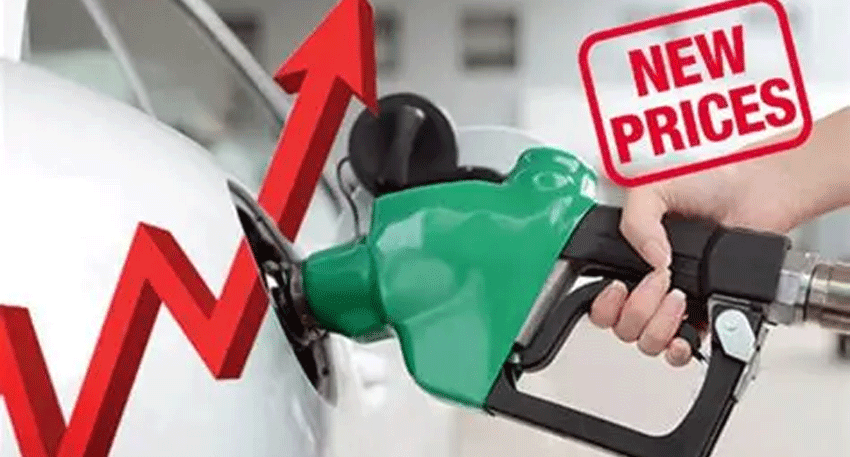
The new petrol price is Rs364.35 per litre, while high-speed diesel will now cost Rs385.95 per litre. The revised rates will take effect from September 9 under a notification issued by the Petroleum Division.
Ogra moves towards daily fuel prices
Ogra has started publishing daily petroleum prices on its website to make the pricing system more transparent. The move will also allow changes in international oil prices to reach consumers more quickly.
Petroleum Minister Ali Pervaiz Malik said the daily prices will be based on the average international market price for seven days. He said the method is in line with international practice.
Middle East tensions affect oil prices
The government decided to move towards daily fuel price reviews because global oil prices have remained unstable due to renewed tensions in the Middle East. The earlier weekly system was introduced after the conflict began on February 28, when Israel and the United States attacked Iran.
The situation later became more uncertain after a fragile June truce between Tehran and Washington collapsed. This raised fresh concerns about a wider conflict and possible disruption to energy supplies through the Strait of Hormuz.
New daily pricing framework explained
Under the new system approved by the federal cabinet, Ogra will issue daily ex-depot prices for petrol and high-speed diesel. The rates will be calculated using the average international market prices recorded during the previous seven days.
Ogra will be able to announce the daily prices without seeking prior approval from the prime minister or the federal government. However, prices announced on Fridays will remain unchanged on Saturdays and Sundays.
The official framework states that Ogra will publish daily Platts reference prices from July 1, 2026. It also says the petroleum levy cannot exceed the limit approved by the federal cabinet.
Any change in the petroleum levy rate will require approval from the Finance Division. Previously, petroleum prices were revised every two weeks, making the new system a major change in fuel pricing.
The latest increase means consumers will have to pay more for both petrol and diesel. Higher fuel prices can also increase transport and delivery costs, which may affect the prices of other goods.
The daily pricing system could make fuel rates more closely linked to global oil markets. However, frequent changes may also make fuel expenses harder for households and businesses to predict.
Also read: PIA reform process accelerated to transform airline operations
Also read: NCCIA extends job deadline for 351 vacancies across Pakistan


