

Petrol price rises by Rs4.40, diesel climbs to nearly Rs380 per litre
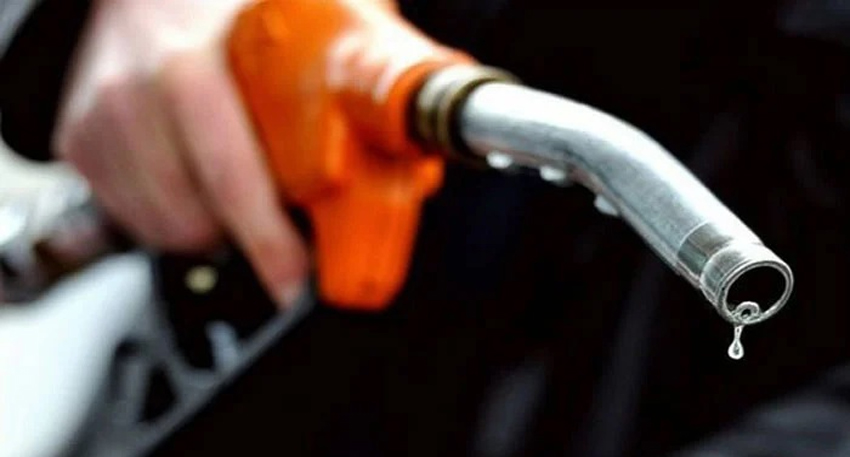
Pakistan has officially shifted to a daily petroleum pricing system, replacing the previous fortnightly review mechanism. The government says the new approach will make fuel prices more transparent and respond faster to changes in global oil markets.
Under the new system, the Oil and Gas Regulatory Authority (OGRA) will update the prices of petrol and high-speed diesel every day on its official website. Officials say the move is intended to pass international price changes on to consumers without delay.
Petroleum Minister Ali Pervaiz Malik said daily fuel prices will now be calculated using the average international market prices recorded over the previous seven days. He added that the method follows international standards and aims to make fuel pricing more accurate.
The government decided to introduce the new pricing mechanism after continued volatility in global oil markets. Rising tensions in the Middle East and disruptions to energy supplies have increased uncertainty in international fuel prices.
Earlier, Pakistan had shifted from a fortnightly to a weekly fuel price review after conflict in the Middle East intensified. Officials said the latest step to daily pricing is intended to improve the country’s ability to respond quickly to changing market conditions.
According to an official document approved by the federal cabinet, OGRA will now announce ex-depot prices of petrol and high-speed diesel every day. The regulator will no longer require prior approval from the prime minister or the federal government before issuing the revised prices.
However, fuel prices announced on Fridays will remain unchanged on Saturdays and Sundays. The document also states that OGRA will publish daily Platts reference prices from July 1, 2026.
The new policy also sets limits on the petroleum levy. It says the levy cannot exceed the maximum level approved by the federal cabinet, while any future change in the levy will require approval from the Finance Division.
The government has also introduced new fuel import rules for the 2026-27 fiscal year. High-speed diesel imports will be handled only by Pakistan State Oil, while oil marketing companies will continue importing petrol according to their market share.
Officials warned that companies failing to meet import or supply obligations could lose fresh import permissions for up to nine months. The government believes these measures will strengthen fuel supply management and improve market discipline.
Daily fuel pricing could make petrol and diesel prices change more frequently than before. While consumers may benefit from faster price reductions, they could also face quicker increases when international oil prices rise.


