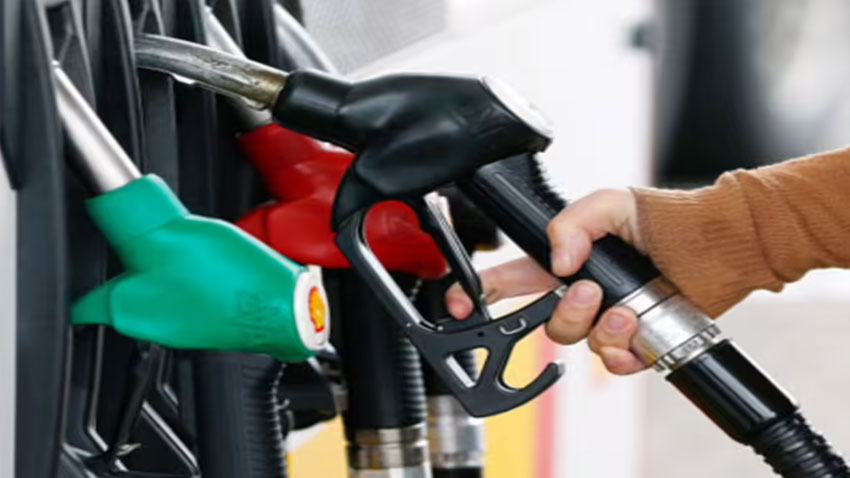
On March, 2026, the government had increased petrol and diesel prices sharply, putting pressure on the public. Petrol price was raised to Rs321,17 per litre while high-speed diesel reached Rs335,86 per litre.
This increase came after a Rs55 per litre hike announced earlier, which shocked consumers across the country. Before that, petrol was available at Rs266,17 per litre, making the rise even more noticeable.
On April 2, the government announced a major fuel price hike as petrol rises to Rs458.40 and diesel to Rs520.35 per litre amid the global energy crisis.
Read more: Tiggo 7 PHEV: Chery is launching most affordable SUV in Pakistan
The government has announced a significant increase in the prices of petroleum products, raising the cost of petrol and diesel across the country. Officials said the decision was taken due to the sharp rise in global energy prices.
On April 4, PM Shehbaz Sharif reduced petrol by Rs80 per litre to Rs378, announcing subsidies and relief measures for transport and farmers.
Now, reports suggest that a summary for reducing petroleum prices will be sent to Prime Minister Shehbaz Sharif for final approval. The official announcement is expected later tonight after consultations.
A senior government official has indicated that fuel prices may decrease, bringing some relief to people facing high inflation. Rising fuel costs have increased transportation expenses and pushed up prices of daily goods.
Officials say the government wants to ease financial pressure on citizens and stabilize the economy. Lower fuel prices could help reduce overall inflation and improve market conditions.
Earlier, during a press conference, Ishaq Dar had highlighted the impact of global tensions on fuel prices. He said, “There has been an increase of 50 per cent to 70pc in various products’ prices,” due to international factors.
Read more: Matric exams disrupted in Rawalpindi, papers halted at 64 centers
The price surge was also linked to global conflicts, including tensions involving Iran, the US and Israel. These developments caused petroleum prices to rise sharply in many countries.
If the expected reduction is approved, it could mark a major shift in fuel pricing policy. Citizens are now waiting closely to see if petrol and diesel return near pre-war levels.
Fuel prices may go down, but full return to old rates looks difficult. Global market still plays a big role. Even small relief can help people manage expenses better.