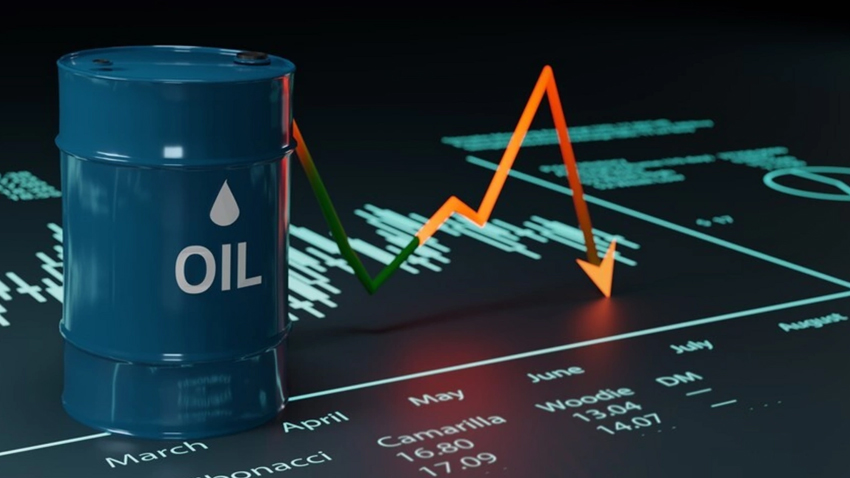
Global oil prices recorded their steepest single-day fall in more than five years after the announcement of a ceasefire between the United States and Iran. The sudden drop in oil prices brought relief to financial markets and raised hopes of lower fuel costs for consumers.
West Texas Intermediate crude oil fell sharply by $18.43 and settled at $94.53 per barrel. Brent crude also dropped significantly by $15.54 and closed at $93.73 per barrel. The sharp decline came after fears of a prolonged conflict in the Middle East eased following the ceasefire agreement.
Investors had been worried that continued fighting could disrupt global oil supplies, especially through the Strait of Hormuz, one of the world’s most important oil shipping routes. As oil prices dropped, stock markets around the world reacted positively.
Also Read: Oil Prices Surge as Trump Issues Iran Ultimatum
The Dow Jones Industrial Average jumped by about 1,200 points, reflecting strong investor confidence after the ceasefire news.
The S&P 500 also gained 2.7%, while Nasdaq futures surged 3.4%, showing a strong recovery in technology stocks. However, the energy sector moved in the opposite direction.
Major oil companies experienced declines because lower crude prices usually reduce profits for energy producers. Exxon Mobil shares dropped around 6%, while Chevron shares fell about 4.6% during the trading session. Market analysts say the fall in crude prices could eventually bring some relief to consumers at fuel stations.
However, they also warn that changes in wholesale oil prices usually take time before they appear in retail fuel prices.
Also Read: LPG price increases from Rs380 to Rs430 per kilogram
Although the ceasefire reduced immediate tensions, experts say the situation remains uncertain. The two-week ceasefire period may only provide temporary stability if deeper political disagreements between the United States and Iran remain unresolved.
Meanwhile, Iran has hinted that it could introduce transit fees for oil tankers passing through the region. Reports suggest the fee could range between $1,000,000 and $2,000,000 per tanker, which may add about $1 to the cost of each barrel of oil. If such charges are introduced, analysts believe global oil prices could rise again in the future.