

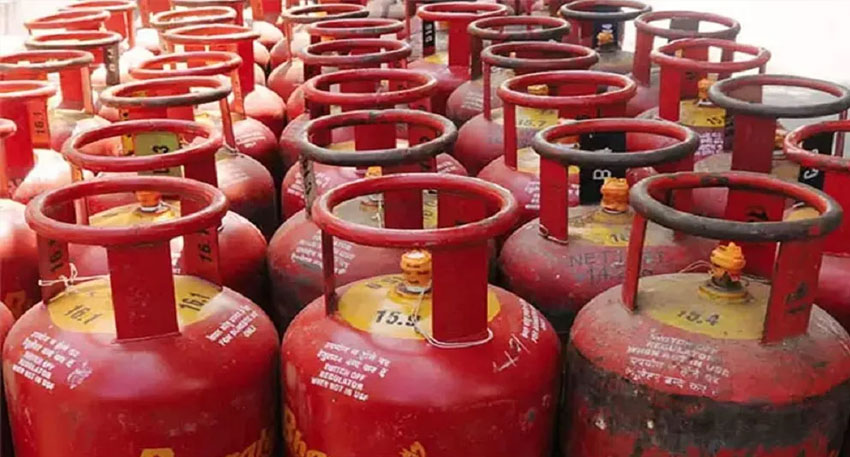
In surrounding areas, LPG is being sold at even higher rates, reaching up to Rs430 per kilogram, according to market sources and media reports.
The surge in prices is caused by a supply disruption from the gas pipeline on Quetta’s Western Bypass, which has fueled higher demand in the city.
Read more: Rs46.56 billion relief as power tariff cut – how much will prices ease now?
LPG dealers stated that limited supply combined with increased demand is the main factor driving the recent price hike.
Meanwhile, Pakistan is facing a severe gas crisis as tensions in the Middle East disrupt LNG imports, affecting both domestic and industrial users with rising prices.
Currently, Sui Northern Gas Pipelines adds 9 to 11 MMcfd daily into the LNG system, but the total needed is 200 MMcfd. If LNG supply is not restored soon, the shortfall is expected to grow over the next two to three days.
Due to rising shortages, Sui Northern has already cut gas supply to the CNG sector. Domestic consumers are getting gas only for a few hours during cooking times. Areas like Tail and densely populated regions are facing extremely low gas pressure.
Read more: Diesel prices jump by 70%, petrol by 30% per litre across the country
The company has started planning to meet the essential needs of industries and households. Domestic users will get gas on a priority basis, but both households and industries will feel the impact if the crisis continues.
Gas shortages are hitting Pakistan hard. Industrial production may slow, and households will face daily inconvenience. Quick restoration of LNG supply is crucial to prevent further disruption.


