

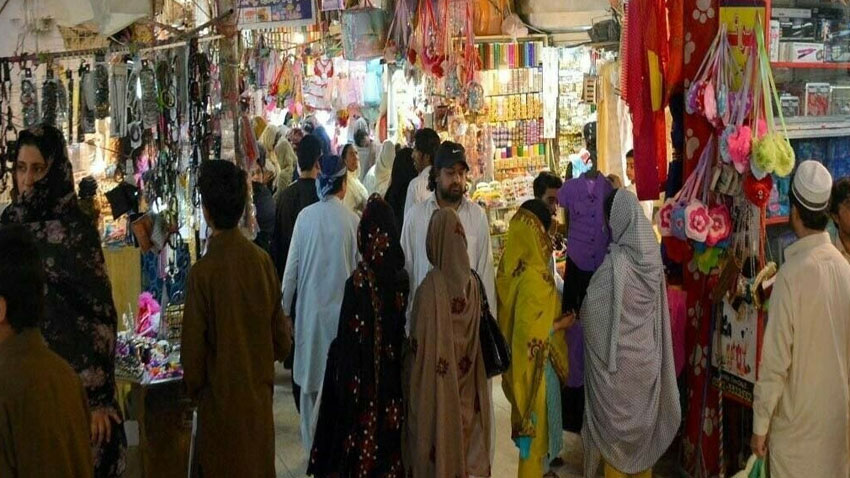
The government has decided that markets and shopping malls will shut by 8pm in most parts of the country. This rule will apply everywhere except Sindh for now.
The decision was taken in a meeting led by Prime Minister Shehbaz Sharif in Islamabad. Officials said the move is part of efforts to save energy and manage resources.
In Khyber Pakhtunkhwa, markets in divisional headquarters can stay open till 9pm. However, the rest of KP, Punjab, Balochistan, Islamabad, Gilgit-Baltistan and AJK must follow the 8pm closing time.
Read more: Get monthly petrol quota under new Digital Fuel Management System - key details
Shops selling daily-use items and departmental stores will also close at 8pm. This rule aims to reduce electricity use during peak hours.
Food-related businesses like bakeries, restaurants, and tandoors can stay open till 10pm. Marriage halls, marquees, and wedding events must also end by 10pm.
The government has also restricted wedding events at homes after 10pm. However, medical stores and pharmacies are exempt from these timing rules.
اسلام آباد: 6 اپریل 2026
وزیراعظم محمد شہباز شریف نے پیٹرولیم مصنوعات ، توانائی کی بچت اور کفایت شعاری کے اقدامات کے نفاذ کے حوالےسے اہم جائزہ اجلاس کی صدارت کی. صوبہء پنجاب، خیبر پختونخوا، بلوچستان ، اسلام آباد کیپیٹل ٹیریٹری ، گلگت بلتستان اور آزاد جموں و کشمیر میں بازار،… pic.twitter.com/BEsPreuQWa
Authorities said the new timings will be implemented immediately. Similar steps have already been taken by KP and Balochistan governments.
The decision comes during rising global tensions affecting fuel supply. Disruptions in oil routes have increased prices and created pressure on energy resources.
Read more: Iranian petrol price fixed at Rs280 per litre - No overcharging now?
Officials shared that Rs100,000 has already been used under a digital wallet subsidy scheme. This is part of ongoing efforts to provide relief to citizens during the fuel crisis.
The prime minister thanked provincial leaders for supporting the decision. He also expressed hope that Sindh will join the plan after consultations.
This step can reduce electricity use and help manage the energy crisis. It may also lower pressure on fuel demand. However, it could affect business activities and daily routines. People and traders will need time to adjust.


