

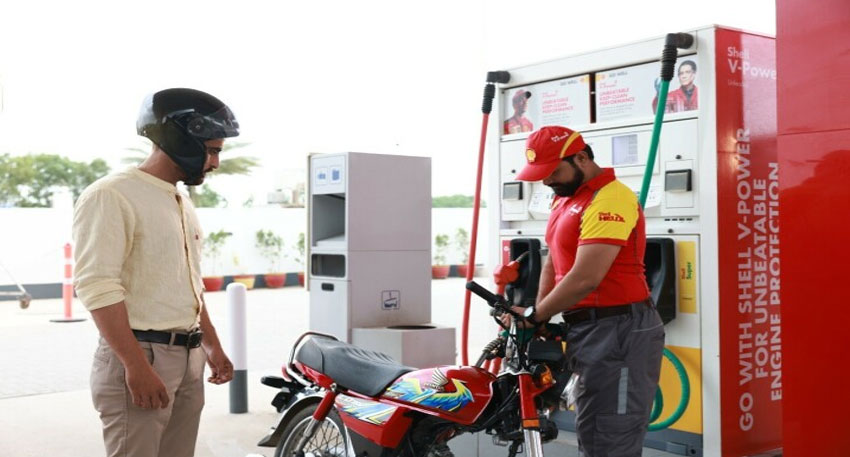
The new system aims to manage fuel distribution in a fair and transparent way.
The government has decided to introduce a mobile-based petrol subsidy system to deal with the ongoing energy crisis. This step is being seen as a major shift towards a digital and controlled fuel supply system.
Under this plan, people will register their vehicles and CNIC through the app to receive subsidized petrol. This will replace the old manual system and reduce chances of misuse and unfair distribution.
20 litres petrol for bikers
Motorcycle and rickshaw owners are expected to benefit the most from this scheme. They may receive up to 20 litres of subsidized petrol every month through the app.
However, a final decision about including cars up to 800cc has not yet been made. This has created uncertainty among small car owners who are waiting for clarity.
How the system will work
Users will first download the official petrol subsidy app and register their vehicle details. They will then enter their CNIC number and complete the verification process.
After approval, users will receive their digital fuel quota in the app. This quota will be used through digital vouchers at selected petrol pumps.
Digital vouchers and strict control
People will have to show digital vouchers at petrol stations to get subsidized fuel. The system will not allow anyone to buy more than their assigned quota.
This strict monitoring is aimed at stopping illegal selling and overuse of subsidized petrol. It will also make the system more reliable and efficient.
12,000 petrol pumps join system
Around 12,000 petrol pumps across the country will be connected to this digital network. These pumps will support users in getting their subsidized fuel smoothly.
Each pump will install two special nozzles for subsidized petrol and use mobile devices for verification. Trained staff will also be available to guide users.
Who will manage the system
Oil companies will provide mobile phones needed for the system at petrol pumps. Meanwhile, the IT ministry and National IT Board will handle operations and pricing matters.
This coordination is expected to ensure smooth working of the system across the country. Authorities believe strong technical support will reduce errors and delays.
Transparency and misuse control
Each fuel quota will be linked with a user’s CNIC and vehicle registration number. This will make it easier to track usage and prevent fraud.
The system will include real-time monitoring, complaint support, and strict checks. Training videos will also be provided to help both users and staff understand the process.
Backup plan amid crisis
The government is also preparing a backup plan to deal with global fuel supply risks. This includes emergency strategies to ensure petrol availability during difficult situations.
Officials say different options are being considered to keep fuel supply stable. This shows growing concern over international uncertainty and rising energy challenges.
Impact on citizens
Experts believe this system can improve fuel availability during shortages. It may also ensure fair distribution and reduce pressure on national fuel reserves.
Read more: Electric taxi service launched in Sindh – How it creates new jobs?
At the same time, success will depend on how well people use the app and how efficiently the system works. Strong implementation will be key to achieving the desired results.
Read more: ‘Take car home for Rs690,000,’ CM Maryam offers under Punjab e-taxi scheme
This plan looks helpful but everything depends on execution. If the system works smoothly, it can reduce problems. But if there are technical issues or poor management, people may face more trouble. The real test will start after launch.


