Pakistan is poised to transform its mineral and gemstone sector into a strategic driver of national economic growth. With trillions of dollars in untapped reserves, including copper, gold, lithium, cobalt, rare earth elements, and gemstones, the country seeks to align its mining policies with international standards and attract global investment.
The upcoming Second Pakistan Minerals Investment Forum (PMIF26), scheduled for April 8-9 in Islamabad, is designed to position Pakistan as an investment-ready, credible mining economy. The forum builds on PMIF25’s success, which drew over 5,000 delegates from 50+ countries and resulted in 14 memorandums of understanding (MOUs). PMIF26 will feature a Strategic Conference, Technical Sessions, International Gemstone Exhibition, and a resource library, providing investors with detailed insights into Pakistan’s mineral potential.
Mining as a Strategic National Priority
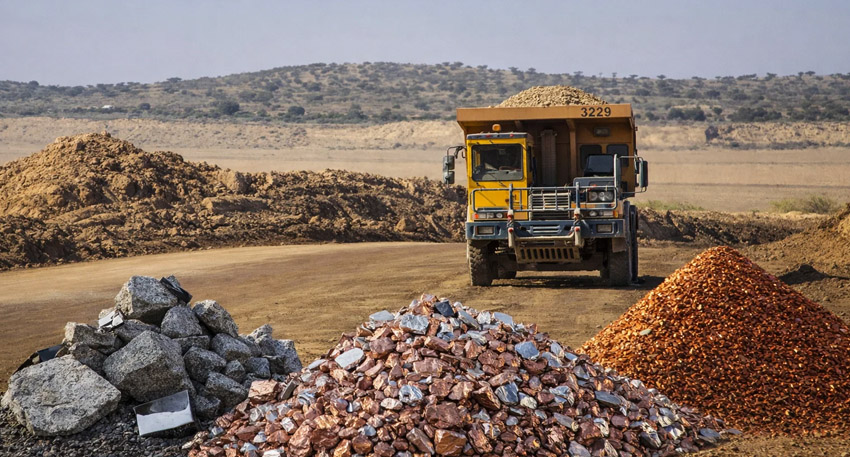
Pakistan’s mineral resources are concentrated in Balochistan, Khyber Pakhtunkhwa, and Gilgit-Baltistan, regions historically underexplored due to security and infrastructure challenges. The Reko Diq copper-gold project, one of the world’s largest undeveloped mines, contains over 5.9 billion tonnes of ore, offering billions in potential revenue, thousands of jobs, and a transformative impact on local trade.
Pakistan’s gemstone sector is estimated at $450 billion, yet annual exports remain just $5.8 million. The government has introduced its first national gemstone policy framework, focusing on certification modernization, value addition, and targeting $1 billion in exports over five years. Reforms also promote youth entrepreneurship, modern technology adoption, and transparent governance, empowering local miners and artisans while improving social and economic outcomes.
Also Read: Car sales in Pakistan decline by 14% in December 2025
Modernization, Transparency, and Local Impact
Prime Minister Shehbaz Sharif has approved international-standard laboratories, certification systems, and centers of excellence to enhance credibility and attract private-sector participation. Currently, over 5,000 processing units operate in Pakistan, but fragmented oversight and outdated technology hinder productivity. The new reforms aim to integrate local communities into global supply chains, ensuring fair pricing, proper market access, and skill development.
Direct flights of modern technology, collaboration with global industry leaders, and policy transparency will turn mining from a purely extractive sector into a strategic economic engine. By supporting local miners, artisans, and entrepreneurs, Pakistan is ensuring that economic growth is inclusive and sustainable.
Global Benchmarking and Investment Opportunities
Comparatively, countries like Chile, Australia, and Canada leverage structured policies and international collaboration to maximize resource potential. Chile produces nearly one-third of global copper, while Australia has transformed lithium, cobalt, and rare earths into high-tech exports. PMIF26 aims to close the gap, offering investor-ready projects and demonstrating Pakistan’s capacity for transparency, environmental compliance, and global competitiveness.
Strategic collaborations, such as the MOU between US-based Strategic Metals (USSM) and Pakistan’s Frontier Works Organization (FWO), highlight Pakistan’s potential for technology transfer, production of critical minerals, and integration into international supply chains. Experts predict that fully developing Pakistan’s mineral and gemstone industry could increase GDP by $5-7 billion annually and generate tens of thousands of direct and indirect jobs.
Also Read: New updates regarding issuance of Pakistan’s new currency notes
Sustainable Mining and Environmental Considerations
While the economic potential is immense, sustainable practices are key. PMIF26 emphasizes environmental protection, water and sanitation management, worker safety, and ESG compliance. Additionally, domestic processing of ores rather than exporting raw materials can maximize economic impact, create skilled jobs, and ensure local communities benefit directly from resource development.
Pakistan’s Future: From Potential to Performance
PMIF26 represents the transition from untapped potential to tangible economic results. By integrating policy, investment, and technology, the forum seeks to make Pakistan a regional hub for critical minerals, attract foreign investment, empower local communities, and enhance national prosperity and regional stability.
Pakistan’s minerals and gemstones sector, if developed responsibly, has the power to drive economic growth, technological progress, and social inclusion, making the country a significant player in global supply chains. PMIF26 is not just a forum but a strategic milestone for the nation’s mining industry.