

Lahore gets Rs56bn approval for largest wastewater plant
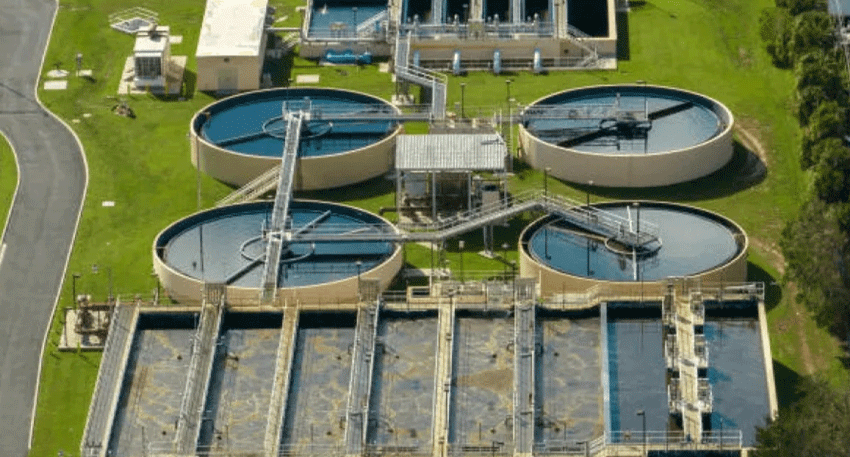
The federal government has approved funding for what officials describe as Lahore’s first large-scale wastewater treatment project.
The facility will be built at Babu Sabu and is expected to significantly improve the way sewage from major parts of the city is treated before disposal.
A senior official familiar with the decision said the Executive Committee of the National Economic Council (Ecnec) approved the project during its meeting on Aug 21.
The project is expected to move forward after the bidding process is completed. Officials have indicated that work could begin within the next six months.
The initiative is based on the approved master plan of the Water and Sanitation Agency (Wasa) Lahore and is designed to address the city’s growing wastewater management needs.
How the Rs56bn project will be funded
The approved project has a total estimated cost of Rs56bn.
According to officials, 24pc of the project funding will be provided by the Housing, Urban Development and Public Health Engineering Department.
Another 74pc will come from the Agence Française de Développement (AFD), a French government-backed development financing agency.
The project had already received approval from the Provincial Development Working Party (PDWP) on Aug 13 before being cleared at the federal level.
Officials said the wastewater plant will be developed in several stages, with each phase focusing on treatment, reuse and better resource management.
The project is expected to become an important part of Lahore’s long-term urban and environmental planning.
Three phases planned for wastewater treatment
The development plan includes a 12-month pre-construction period, followed by 42 months of construction.
After construction, the project will enter a 36-month operations and maintenance period.
In the first phase, sewage from central Lahore will be collected and treated before being released into the Ravi River.
The sewage system covered under this phase will include wastewater coming from the Cantt Drain, Multan Road and Gulshan-i-Ravi pumping stations.
The treatment process is intended to reduce the environmental impact of untreated sewage entering the river and other water channels.
The project could therefore play an important role in improving sanitation and environmental conditions in areas connected to the city’s main drainage network.
Project aims to reuse wastewater and waste
The second phase will focus on gradually moving from wastewater treatment towards wider reuse of resources.
Officials have proposed several reuse activities, including composting, refuse-derived fuel (RDF) production and biochar manufacturing.
The plan also includes fertilizer pellet production, brick manufacturing and phosphorus recovery.
These measures could help reduce waste while allowing useful materials to be recovered from the treatment process.
The approach is different from simply treating sewage and disposing of it. It aims to turn wastewater and related waste into resources that can support other activities.
Also Read:Oil prices climb again as global crude market faces fresh pressure
Third phase targets a circular economy
The third phase is designed around zero storage and a circular economy model.
Under this plan, different wastewater and waste reuse systems will be brought together within a dedicated resource recovery park.
The aim is to avoid the need for additional storage while increasing the recovery and reuse of materials generated through the treatment process.
If successfully implemented, the model could provide Lahore with a more sustainable approach to wastewater management.
It could also reduce the pressure created by untreated sewage and improve the overall management of urban waste.
What the project could mean for Lahore
Lahore has expanded rapidly in recent years, increasing pressure on its drainage and wastewater systems.
The approval of the new plant marks a major step towards creating a dedicated large-scale system for treating the city’s wastewater.
The project could improve water quality and reduce the environmental damage caused by untreated sewage.
Its success, however, will depend on timely bidding, construction and proper operation of the facility after completion.


