

Pakistan's Textile Sector Faces Pressure Despite Higher Cotton Arrivals
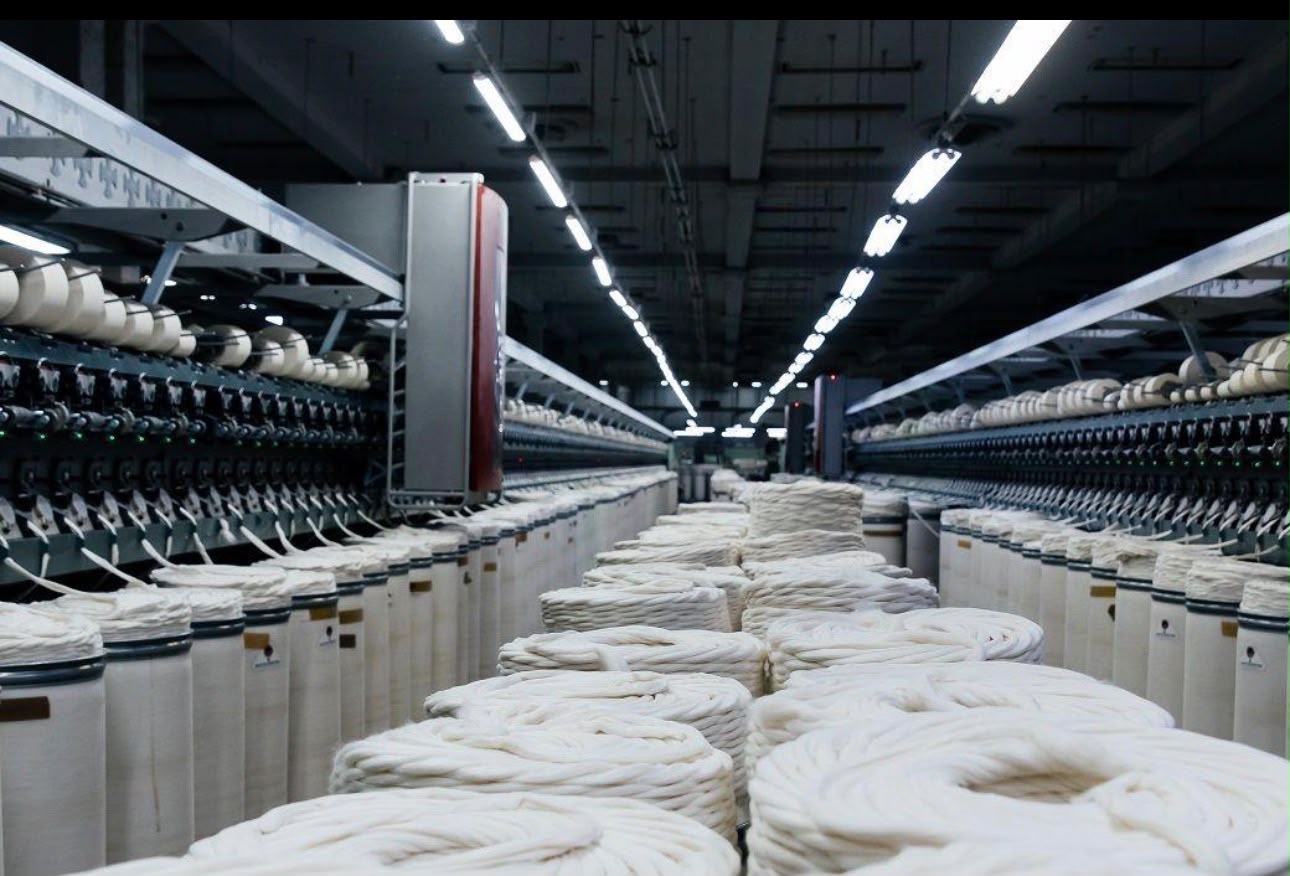
Cotton Arrivals Show An Increase
Pakistan's cotton arrivals have reportedly increased by 7.5 per cent, offering a positive development for the country's cotton supply chain. However, the broader textile industry continues to face significant pressure, according to a report published on October 19.
The report highlighted claims that around 500 ginning factories and more than 150 textile mills have closed. These figures point to concerns about industrial activity, employment and the financial health of businesses connected to cotton processing and textile manufacturing.
Cotton is a critical raw material for Pakistan's textile sector, which contributes to exports and provides employment across manufacturing, processing and related services.
Industry Faces Continuing Challenges
An increase in cotton arrivals does not automatically translate into stronger industrial output. Textile businesses also depend on energy costs, financing conditions, labour expenses, export orders and access to competitive markets.
Ginning factories process raw cotton into a form suitable for further manufacturing, while textile mills convert fibres and yarn into fabrics and other products. Disruptions at either stage can affect the wider supply chain.
The reported closures raise questions about the factors affecting industrial capacity and the ability of manufacturers to remain operational. However, the available report did not provide a detailed breakdown of the closures, their locations or the period over which they occurred.
Also Read: Army Major Martyred, Four Terrorists Killed In Balochistan
Export Competitiveness Remains Important
Pakistan's textile sector faces the challenge of maintaining competitiveness while managing production costs and meeting international demand.
Industry stakeholders have repeatedly emphasised the importance of stable policies, reliable energy supplies and improved operating conditions. Addressing these concerns could help businesses protect jobs and make better use of locally available cotton.
Further industry data will be needed to assess whether higher cotton arrivals lead to improved production and export performance in the coming months.


