

Oil prices rise as Middle East tensions threaten global supplies
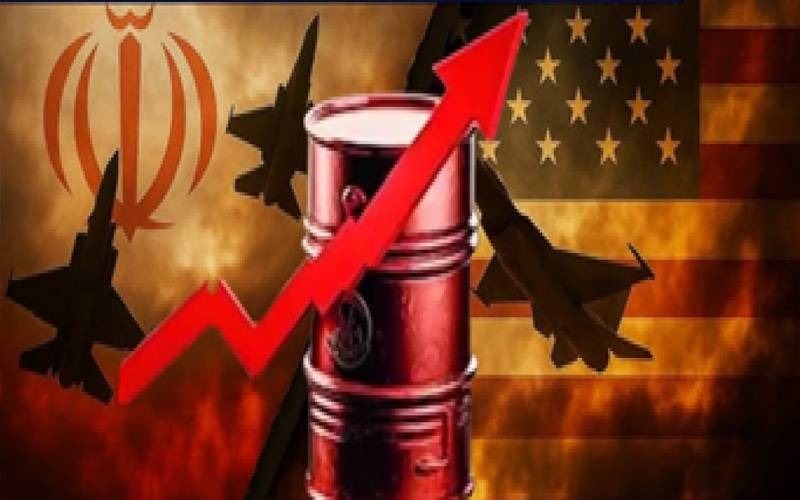
Global oil prices rose on Tuesday as diplomatic efforts to end the Middle East conflict showed little progress and Iran signalled a more aggressive military strategy.
According to Reuters, Brent crude futures gained 27 cents to reach $91.50 a barrel. US West Texas Intermediate (WTI) crude also rose 42 cents to $85.30 a barrel.
Hormuz shipping disrupted
Iranian officials said talks with the United States on a permanent ceasefire and peace agreement remain stalled. Tehran has indicated that it could adopt a “fully offensive” military position.
Washington, meanwhile, has rejected the possibility of extending the temporary ceasefire.
The biggest concern is the Strait of Hormuz, a major global oil route. Ship-tracking data showed that only five commodity vessels passed through the strait last weekend, while no vessel movement was recorded on Sunday.
Red Sea tensions add pressure
Analysts say rising tensions around the Strait of Hormuz and Bab el-Mandeb are creating major risks for global energy shipments.
Yemen’s Houthi group has also claimed attacks on Saudi vessels in the Red Sea, adding to concerns about disruptions to international trade.
Iran is holding talks with Oman over arrangements for managing the Strait of Hormuz and says an agreement may be close. However, US President Donald Trump’s threats against Oman have raised further doubts about diplomatic efforts.
Meanwhile, reports say Trump has also begun behind-the-scenes contacts with Iran’s Revolutionary Guards, offering a limited hope for progress.
Investors are now watching US crude inventory data for further signals about oil prices.


