

Oil prices jump over 3% after Iranian missile strike
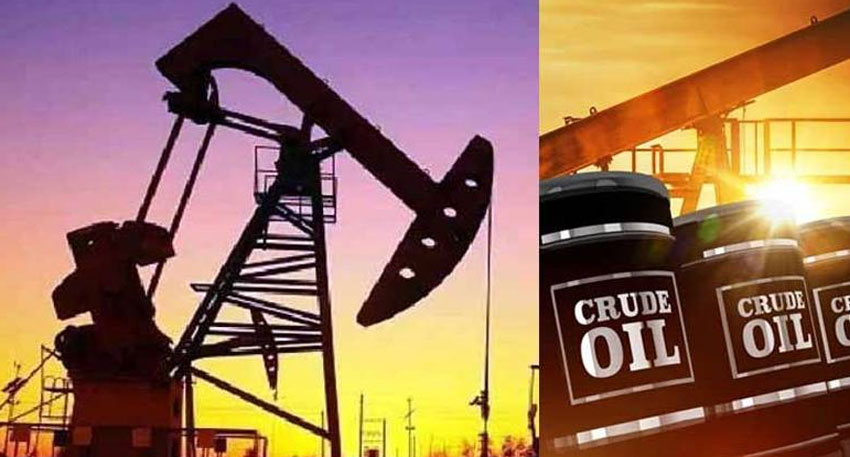
Global oil prices climbed by more than 3% after an Iranian missile strike heightened fears of supply disruptions in the Middle East, one of the world's most important energy-producing regions.
Brent crude, the international benchmark, rose by $2.71 to reach $87.70 per barrel. Meanwhile, US West Texas Intermediate (WTI) crude gained $2.26, trading at $82.80 per barrel.
The UAE's Murban crude also moved higher, reaching $84 per barrel as investors reacted to the growing uncertainty across the region.
The latest rally came after markets had briefly calmed earlier in the week, showing how quickly oil prices can change when geopolitical tensions escalate.
US oil inventories add further support
In addition to the Middle East crisis, falling US crude oil inventories also helped push prices higher.
According to Reuters, citing data from the American Petroleum Institute (API), US crude stockpiles declined by around 3.3 million barrels last week. A drop in inventories generally signals stronger demand or lower supply, which tends to support higher oil prices.
Traders are now waiting for official inventory figures from the US Energy Information Administration (EIA), which are expected to provide a clearer picture of supply conditions in the world's largest oil producer.
Market analysts said a larger-than-expected fall in crude stocks has strengthened confidence that global supplies may tighten further if geopolitical risks continue to rise.
OPEC+ production plans boost market sentiment
Another factor supporting oil prices is speculation that OPEC+ could delay planned production increases.
Reuters reported that the oil-producing alliance is considering pausing output hikes for three months starting in October. If approved, the move would limit additional oil supplies entering the global market and could keep prices elevated.
OPEC+ has been carefully balancing production levels to maintain market stability while responding to changing global demand.
Any decision to slow production growth would likely be welcomed by oil-exporting nations but could increase fuel costs for consumers worldwide.
Strait of Hormuz remains in focus
Investors are closely watching developments around the Strait of Hormuz, a narrow waterway through which a significant share of the world's oil exports passes every day.
Concerns that military tensions could disrupt shipping through the strait have once again become a major driver of oil prices.
Earlier this week, hopes for a ceasefire and renewed diplomatic efforts had briefly eased market concerns, causing crude prices to fall by nearly 5% on Tuesday.
However, fresh security concerns following the Iranian missile strike quickly reversed those losses as traders rushed to price in the risk of supply interruptions.
US-Iran tensions continue
According to Reuters, US President Donald Trump said discussions with Iran had shown positive signs but warned that further military action remained possible if negotiations failed.
Iran, however, rejected reports suggesting that formal talks with Washington had resumed, adding further uncertainty to an already fragile diplomatic situation.
The conflicting statements have left financial markets cautious, with investors closely monitoring every development that could affect regional stability.
New proposal aims to ease shipping concerns
In a separate development, Reuters, citing Gulf sources and a Western diplomat, reported that Oman has proposed a plan aimed at restoring normal shipping operations through the Strait of Hormuz.
Under the proposal, ships passing through the strategic waterway would pay a voluntary transit fee. The initiative is intended to improve maritime security while ensuring commercial traffic continues without disruption.
The proposal has reportedly received support from several Gulf countries, although it remains unclear whether Iran will accept the plan.
Markets remain highly sensitive
Energy analysts say oil markets are likely to remain volatile as geopolitical developments continue to unfold.
Any signs of military escalation, shipping disruptions or changes in OPEC+ production policy could trigger further price swings in the coming days.
For now, traders are keeping a close watch on diplomatic efforts, US inventory data and developments in the Strait of Hormuz, all of which are expected to play a key role in determining the next direction of global oil prices.