

Oil prices edge up as Middle East tensions ease, supply outlook improves
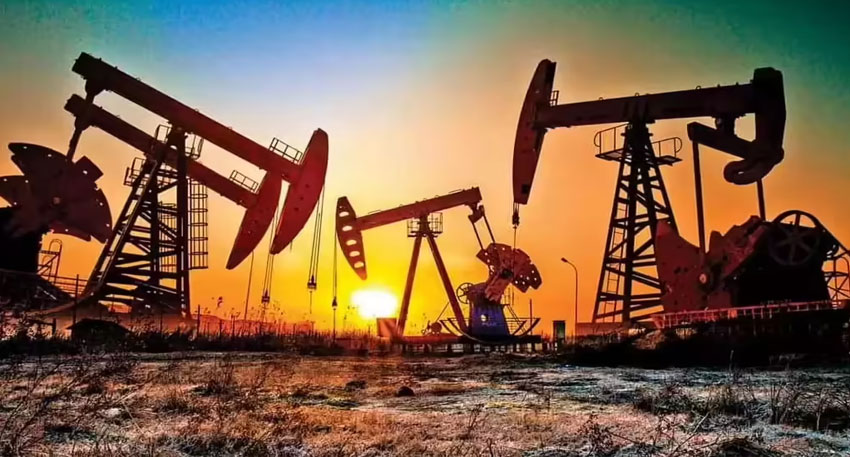
Global oil prices rose slightly on Tuesday as investors weighed easing geopolitical tensions in the Middle East against growing oil supplies from major producers. While prices moved higher, expectations of increased production prevented a stronger rally.
According to market reports, Brent crude gained 38 cents to trade at $72.37 per barrel, while US West Texas Intermediate (WTI) crude rose 30 cents to $68.85 per barrel.
Analysts said recent efforts to stabilize oil supplies have reduced immediate concerns over potential disruptions. However, uncertainty surrounding relations between the United States and Iran continues to keep traders cautious, with markets closely monitoring developments in the Gulf region.
Investor attention is also focused on China, the world's largest crude oil importer, where stronger economic activity could boost fuel demand and provide further support to global oil prices in the coming months.
Reports said ongoing US-Iran discussions, the smooth movement of vessels through the Strait of Hormuz, and the recovery of oil exports from Gulf countries remain key factors influencing the global energy market. Japanese-owned supertankers are also preparing to transport Saudi crude through the strategic shipping route.
Meanwhile, the United Arab Emirates increased its crude oil production to more than 3.8 million barrels per day in June, the highest level since April 2020. In another sign of rising supply, OPEC+ members agreed to raise output by an additional 188,000 barrels per day from August.
Saudi Arabia has also reduced the price of its flagship Arab Light crude for Asian buyers by $11 per barrel compared with last month, marking its biggest price cut in more than two decades and highlighting growing competition in the global oil market.