

Govt raises EV financing limit to Rs10 million under Auto Policy 2026–31
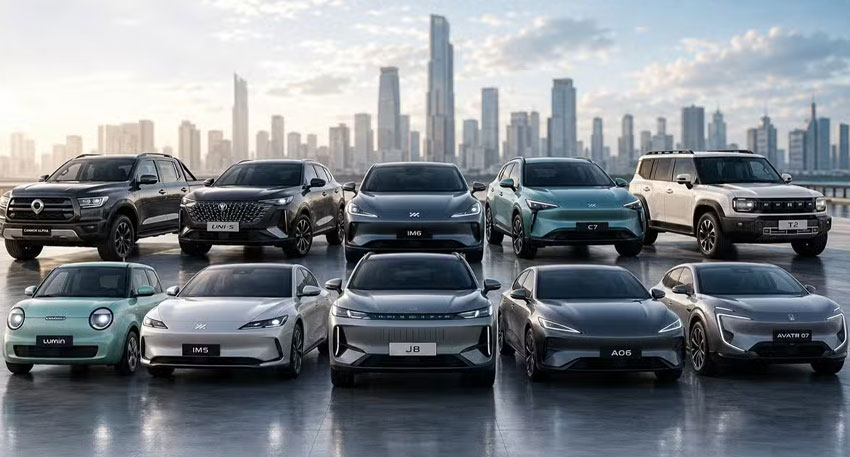
The government has raised the financing limit fivefold to make electric vehicles (EVs) more affordable and encourage people to switch to cleaner transport. Special Assistant to the Prime Minister Haroon Akhtar Khan announced the decision, saying the government wanted to make EV financing easier for buyers.
Higher financing limit to encourage EV purchases
The increase could help people who want to buy more expensive electric cars but cannot afford their full price. The government believes easier financing will encourage more people to consider electric vehicles.
Haroon Akhtar Khan said regional tensions and rising petroleum prices had made electric vehicles more important for Pakistan. He added that promoting EVs had become a key government priority.
Government plans to reduce vehicle costs
The government is also working to reduce vehicle prices and manufacturing costs. It aims to improve competition in the automobile industry and make vehicles more affordable for consumers.
The Auto Policy 2026–31 also focuses on increasing local manufacturing, attracting investment and expanding Pakistan’s automobile exports. These measures are intended to strengthen the country’s automobile industry and support its long-term growth.
Major tax concessions for electric vehicles
The new policy proposes lower sales taxes for different categories of electric and new energy vehicles. Under the proposed framework, battery electric vehicles (BEVs) will have a sales tax rate of 1%, while range-extended electric vehicles (REEVs) will have a proposed rate of 6%.
Plug-in hybrid electric vehicles (PHEVs) will have a proposed sales tax rate of 9%. These concessions are aimed at reducing the overall cost of electric and new energy vehicles.
Lower customs duties on selected imports
The policy also proposes a reduced customs duty of 5% on qualifying imported small electric vehicles valued below $15,000. This concession will apply during the first two years.
Certain EV-specific parts that are not manufactured locally will also qualify for a proposed customs duty of 1% when imported in completely knocked-down (CKD) form. This step is intended to support local vehicle assembly and encourage manufacturers to expand electric vehicle production in Pakistan.
Increasing the EV financing limit to Rs10 million could make electric cars more accessible to Pakistani buyers. However, the success of the policy will depend on whether vehicle prices fall and financing becomes affordable.
Lower taxes and customs duties may also encourage companies to invest in local production. If these measures are implemented effectively, Pakistan could see greater interest in electric vehicles and stronger growth in its automobile industry.
Also read: Nishat Group and LUXEED to bring premium electric vehicles to Pakistan


