

Farmers offered Rs300 billion interest-free loans under Budget 2026-27 scheme
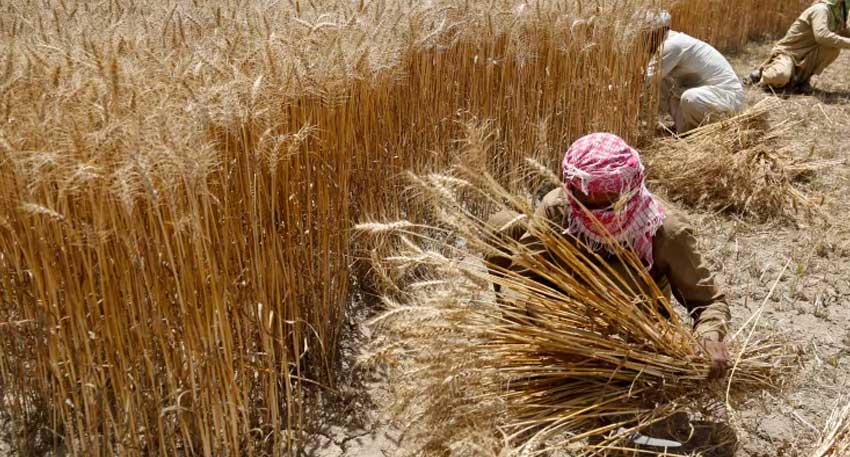
Under the Zar Khaiz Scheme, the government will provide interest-free loans worth Rs300 billion to small farmers. Around 750,000 farmers are expected to benefit from the initiative. The package aims to strengthen agriculture and improve farmers’ financial conditions.
According to budget documents, farmers owning less than 12 acres of land will receive a subsidy of Rs1,500 per acre. The support is intended to reduce farming costs and increase crop production.
The government has also allocated Rs5 billion in subsidies for agricultural machinery. Officials believe modern equipment will help improve productivity and efficiency in the sector.
To keep fertilizer prices stable, a special package of Rs20 billion will be provided to fertilizer manufacturing companies. The move is aimed at protecting farmers from price shocks and ensuring steady agricultural output.
Also read: Punjab unveils 20,000 green tractors scheme to modernize agriculture
In addition, $200 million has been allocated with the support of the World Bank to address the effects of climate change. The fund will help promote modern farming technologies and protective measures for the agriculture sector.
The budget also includes Rs3 billion in subsidies for agricultural tube wells in Balochistan. The initiative is designed to reduce water shortages and support farming activities in the province.
Meanwhile, Rs20 billion has been allocated for the Prime Minister’s Youth Business and Agriculture Program. The program seeks to attract young people to agricultural businesses and create new employment opportunities.
Government officials say these measures will strengthen the agricultural economy and provide meaningful financial relief to small farmers. They believe the package can help improve rural livelihoods and support long-term growth.
The package focuses heavily on supporting small farmers through loans and subsidies. Climate funding and machinery support show that the government is also looking at long-term agricultural development. If implemented effectively, these measures could improve farm incomes and increase agricultural production.


