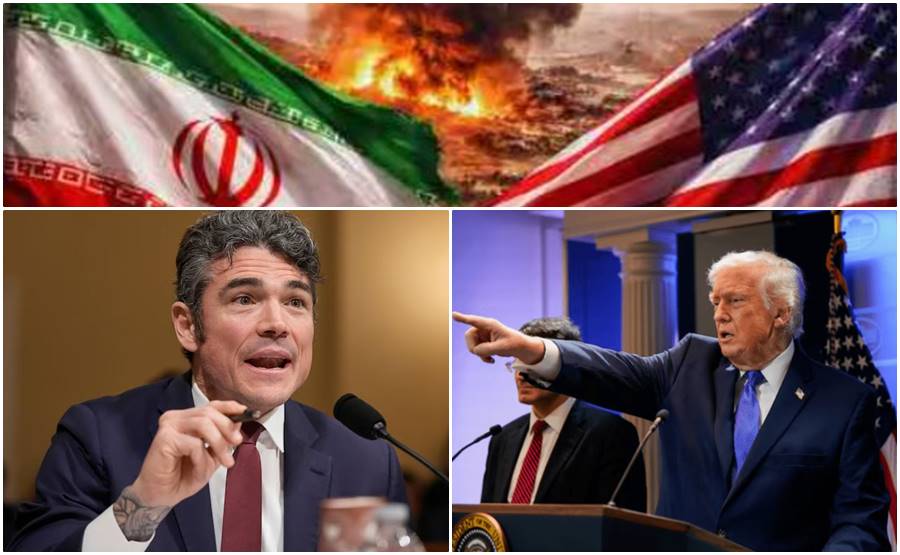
Joe Kent, Director of the National Counterterrorism Center (NCTC), has resigned from his post, citing moral objections to the ongoing conflict involving Iran. His sudden exit has sparked intense debate across United States political and security circles.
Kent announced his resignation in a public letter shared on social media, stating he could no longer continue in his role amid what he described as a misguided war influenced by external pressure.
Claims of Israeli Influence and No Immediate Threat
In his resignation statement, Kent argued that Iran did not pose an “imminent threat” to the United States. He alleged that Washington’s involvement in the conflict was driven largely by pressure from Israel and what he described as a powerful pro-Israel lobbying presence.
“I cannot in good conscience support the ongoing war in Iran. Iran posed no imminent threat to our nation,” Kent stated.
He further claimed that strategic decisions were shaped by political and media influence, rather than objective intelligence assessments.
Also Read: Direct Iran-US contact claimed amid missile strikes
Criticism of Policy Shift Under Trump
While acknowledging the foreign policy approach of Donald Trump during his first term as “tough but restrained,” Kent accused the administration of gradually shifting toward prolonged military engagement.
He alleged that early narratives pushed by Israeli officials and influential US media voices contributed to weakening the “America First” doctrine and helped justify military action against Iran.
Warning of “Echo Chamber” and Iraq War Repeat
Kent warned that an “echo chamber” of messaging created a perception that Iran was an immediate and severe threat, convincing policymakers that quick military action would yield fast results.
He compared the situation to the lead-up to the Iraq War, calling it a costly mistake the United States should not repeat.
According to Kent, repeating such decisions could result in another prolonged and expensive conflict with long-term geopolitical consequences.
Political Fallout and Strategic Implications
Kent’s resignation is expected to intensify scrutiny over US foreign policy decisions and the role of lobbying and media narratives in shaping national security strategies.
Analysts suggest the move could deepen divisions within Washington over the handling of tensions with Iran, while also raising questions about transparency and accountability in decision-making.