

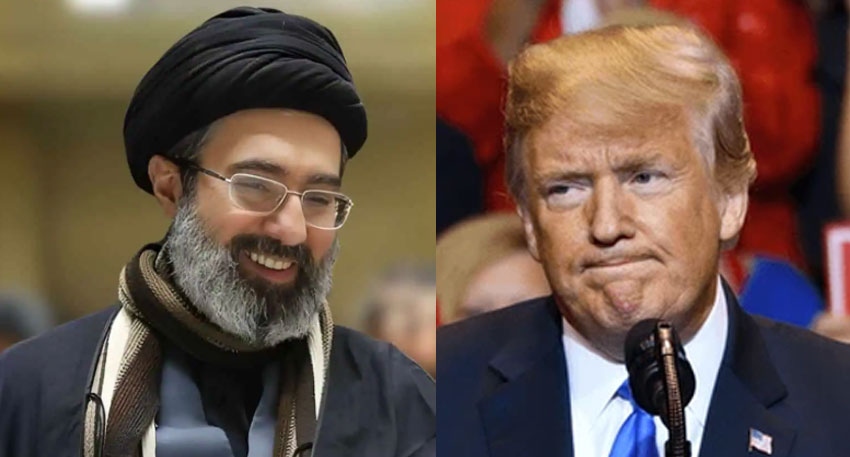
President Trump has told his close associates that he wants to avoid a prolonged war in Iran. Nearly a month into the conflict, he believes it is approaching its final stages. He has asked his advisers to stick to a four-to-six-week timeline that he has publicly mentioned.
White House officials have planned a mid-May summit with Chinese leader Xi Jinping in Beijing, hoping the war will be resolved before the meeting begins.
Ending the war is not easy. Peace negotiations are still at an early stage. Iran is reviewing a US proposal but has no plan for direct talks. The country is showing cautious interest while setting strict conditions.
Read more: Trump to visit China in May for talks with Xi after Iran war delay
Iranian Foreign Minister Abbas Araqchi said Tehran may consider negotiations if all its demands are met. He emphasized that exchanging messages through mediators “does not mean negotiations with the US.” He added, “They put forward ideas in their messages that were conveyed to top authorities, and if necessary, a position will be announced by them.”
Iran has also demanded that Lebanon be included in any ceasefire agreement with the US and Israel. Six regional sources familiar with Tehran’s stance confirmed this.
Meanwhile, Trump claims Iranian leaders want a deal “so badly” but fear backlash from both their citizens and the US.
The US plan, reportedly sent via Pakistan, includes several conditions for Iran: removing enriched uranium, halting nuclear enrichment, limiting ballistic missiles, and cutting support to regional allies.
The White House has warned that failure to comply could lead to intensified military action. Press Secretary Karoline Leavitt said, “If they fail to understand that they have been defeated militarily, President Trump will ensure they are hit harder than ever before.”
Trump is pushing for a fast end, but peace is uncertain. Iran’s strict conditions and regional demands make negotiations tricky. The coming weeks will be critical, and both sides face pressure to avoid escalation while protecting strategic interests.


