
Saudi tanker catches fire after Houthi missile strike in Red Sea
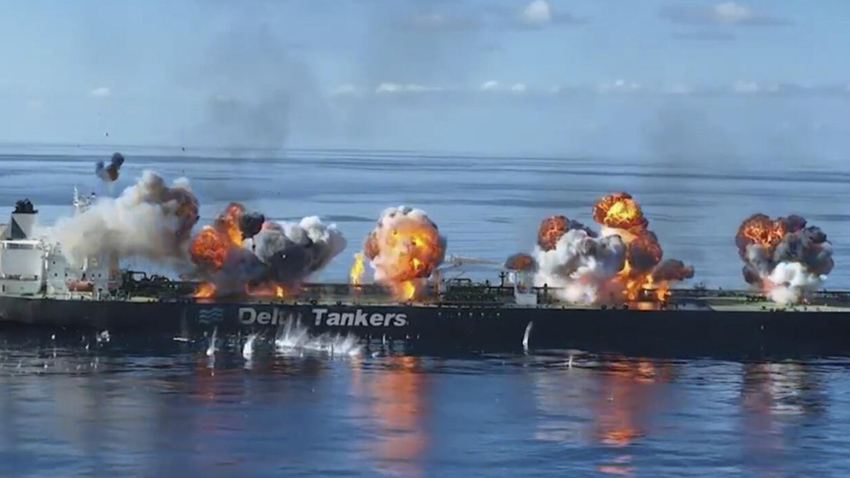
The Iran-backed Houthi group identified the targeted tankers as “ENCELIA” and “LAYLA”. The group claimed the vessels had violated its self-declared naval blockade on Saudi Arabia and said they were targeted with ballistic and cruise missiles.
According to a maritime security source, the Saudi-flagged tanker “ENCELIA” sent a distress call after reporting that it had been struck by a missile while operating near the outer port limits of Jizan in the Red Sea. The vessel was reported to be on fire.
British maritime security company Vanguard said the tanker was struck by an unidentified projectile on its starboard side about 70 nautical miles southwest of Al Shuqaiq at around 2000 GMT.
The United Kingdom Maritime Trade Operations (UKMTO) also confirmed receiving a report of an incident involving a tanker in the same area. The vessel’s master reported that an unknown projectile had struck the ship, causing a fire on board that the crew was attempting to extinguish.
UKMTO said no casualties or environmental damage had been reported. Although the agency did not identify the vessel, the reported location and details matched those provided by Vanguard.
Also Read: US launches fresh strikes across southern Iran as conflict intensifies
Vanguard also said the Houthis had claimed to have attacked a second tanker, “LAYLA”. However, there has been no independent confirmation that the second vessel was hit. Maritime security officials said there was no immediate information on the condition of the crew, the extent of the damage or any possible environmental impact.
Earlier this week, the Houthis announced a naval blockade on Saudi Arabia in the Red Sea, warning ships against sailing to Saudi ports. The group also claimed it had forced around 10 vessels to turn back after issuing warnings. However, Reuters could not independently verify the claim.
The latest incident has raised fresh concerns about the security of commercial shipping in the Red Sea, one of the world’s busiest maritime trade routes. Any further escalation could disrupt global energy supplies and increase regional tensions